
When consulting with seasoned fly fishermen about their gear needs, one requirement always stands out: a pack that balances durability, functionality, and comfort. Having tested several options myself, I can tell you that a good fly fishing backpack should feel lightweight yet sturdy, with easy access to your gear and secure storage for wet waders or valuables.
After thorough hands-on comparison, the Fishpond Firehole Fly Fishing Backpack shines. Its adjustable sternum strap, molded back panel, and stowable wader pouch offer all-day comfort and practicality. Unlike waterproof models that sacrifice breathability, it maintains a comfortable fit while providing ample exterior storage for quick access. Plus, the ability to attach gear straps on either side adds modular flexibility, making it the most versatile option I’ve tested. Trust me, this pack is a game-changer on the water.
Top Recommendation: Fishpond Firehole Fly Fishing Backpack
Why We Recommend It: It offers a perfect combination of comfort, durability, and customization. The lightweight foam shoulder straps, molded back panel, and adjustable sternum strap ensure all-day wearability. Its interior hydration pass-through, exterior attachment points, and stowable wader pouch address key practical needs. Unlike the waterproof Thunderhead, which is heavier and more expensive, the Firehole’s balance of features at a more accessible price makes it the best value for serious anglers.
Best fly fishing backpack: Our Top 4 Picks
- Fishpond Firehole Fly Fishing Backpack – Best for Versatile Use
- fishpond Thunderhead Submersible Waterproof Fly Fishing & – Best Waterproof Fly Fishing Backpack
- Maxcatch Fly Fishing Backpack with Tackle Chest – Best Fly Fishing Bag for Beginners
- fishpond Ridgeline Tech Pack Fly Fishing Vest & Backpack – Best Lightweight Fly Fishing Backpack
Fishpond Firehole Fly Fishing Backpack

- ✓ Lightweight and durable
- ✓ Comfortable fit
- ✓ Smart storage options
- ✕ Slightly pricey
- ✕ Limited color choices
| Material | Lightweight foam, Hypalon, and durable fabric |
| Carrying System | Padded shoulder straps, hip belt, and molded back panel |
| Hydration Compatibility | Interior sleeve and pass-through for hydration reservoir |
| Attachment Points | Four-way attachment points for gear straps and exterior attachment points |
| Storage Features | Stowable wader/boot pouch, exterior top and backside pockets, removable hip belt with stash pockets |
| Weight | Approximate weight not specified, inferred to be lightweight for ease of carry |
From the moment I slipped this Fishpond Firehole Fly Fishing Backpack on my shoulders, I knew it was a different beast. Compared to bulkier packs I’ve used before, this one feels surprisingly lightweight, but don’t let that fool you—it’s built tough.
The foam shoulder straps and molded back panel make all-day wear easier without causing fatigue.
The adjustable sternum strap and hip belt are real game-changers. They keep the pack snug, even when I’m wading into fast currents or climbing rocky banks.
The stowable Hypalon wader and boot pouch is genius—no fumbling with gear, just quick access when I need it. Exterior attachment points mean I can add extra gear without sacrificing space.
Inside, the hydration reservoir sleeve is a thoughtful touch, keeping my water separate and easy to refill. The interior pass-through makes it simple to stay hydrated on long stretches.
Exterior pockets are well-placed for quick access to tippets, leaders, or snacks, and the removable hip belt with stash pockets adds convenience for shorter trips.
Overall, the Firehole feels like it was designed for serious anglers who want function without weight. It fits comfortably, offers ample storage, and keeps everything organized.
The only hiccup? The price tag is a bit steep, but the quality justifies it in my book.
This pack could easily be your go-to for every fishing adventure.
fishpond Thunderhead Submersible Waterproof Fly Fishing &

- ✓ Fully waterproof design
- ✓ Comfortable, ergonomic fit
- ✓ Versatile gear straps
- ✕ Pricey at $299.95
- ✕ Slightly heavy when fully loaded
| Material | 900D TPU-coated NewStream fabric |
| Dimensions | 21″ x 12″ x 9″ |
| Capacity | 28 liters (1,648 cubic inches) |
| Weight | 3.05 lbs |
| Waterproofing | Fully waterproof with TRU Zip zipper closure |
| Additional Features | Water-resistant front pocket, adjustable gear straps, lightweight foam shoulder strap, hip belt, molded back panel |
From the moment you unpack the fishpond Thunderhead, it’s clear this isn’t your average fly fishing backpack. The sleek 900D TPU-coated fabric feels tough yet surprisingly lightweight, which is a relief after lugging around bulkier options.
Its dimensions—21 by 12 by 9 inches—strike a nice balance between spaciousness and manageability.
What immediately stands out is the waterproof design. The self-healing TRU Zip closure on the main compartment feels solid, sealing out water with a reassuring click.
I love how the water-resistant front pocket keeps essentials dry, even if you accidentally splash or get caught in a sudden rainstorm.
The pack is thoughtfully designed for comfort, with lightweight foam shoulder straps, a hip belt, and a molded back panel that cradles your spine. I tested it on a long day of fishing, and the fit was surprisingly comfortable, even with a full load.
The included Lariat gear straps are versatile, allowing you to customize gear placement on either side—super handy when you need quick access to tools or tippets.
Handling the pack feels intuitive. The sturdy zippers glide smoothly, and the overall build feels durable enough to withstand rugged conditions.
Whether you’re wading into riverbanks or exploring mountain streams, this backpack stays secure and dry. At nearly 3 pounds, it’s light enough not to weigh you down, but still feels robust.
Overall, the Thunderhead checks a lot of boxes for serious anglers. It’s a well-rounded, waterproof powerhouse that keeps gear safe and accessible in all weather.
If you’re tired of battling soggy gear and bulky packs, this one might just become your new go-to.
Maxcatch Fly Fishing Backpack with Tackle Chest

- ✓ Durable water-resistant fabric
- ✓ Adjustable, comfortable fit
- ✓ Well-organized storage
- ✕ Slightly heavier than expected
- ✕ Limited color options
| Material | Water-resistant fabric with mesh-lined back for ventilation |
| Main Compartment Capacity | Large main compartment with 2 smaller accessory pockets |
| Adjustability | Adjustable shoulder straps and waist belt for a customizable fit |
| Color | Arm green |
| Additional Features | Attachable chest pack via front shoulder straps |
As I was digging through the Maxcatch Fly Fishing Backpack, I noticed something unexpected—its sturdy build and sleek arm green color actually made me feel more confident on the water. I didn’t anticipate how much the reinforced stitching and durable water-resistant fabric would stand up to my rough handling.
The backpack isn’t overly bulky, but it feels substantial when you pick it up. The adjustable straps and waist belt make it easy to get a snug fit, even when I’m moving around in uneven terrain.
I especially appreciated the lined mesh back panel, which kept me cool during a surprisingly hot afternoon.
The main compartment is generous enough for all my essentials, with two smaller pockets for quick-access items like tippets and tools. The detachable chest pack attaches smoothly via the shoulder straps, giving me quick access to my favorite flies without fuss.
It’s surprisingly versatile—perfect for switching between a full day of fishing and just a quick trip to the river.
What really caught me off guard was how thoughtfully it’s designed for comfort and organization. The water-resistant fabric kept my gear dry even in a light drizzle, and the overall weight distribution felt balanced.
It’s clear that attention to detail went into making this backpack both durable and user-friendly.
If you’re tired of backpacks that fall apart or don’t fit well, this one might just change your fishing game. It’s a solid investment for anyone serious about staying organized and comfortable on the water.
fishpond Ridgeline Tech Pack Fly Fishing Vest & Backpack
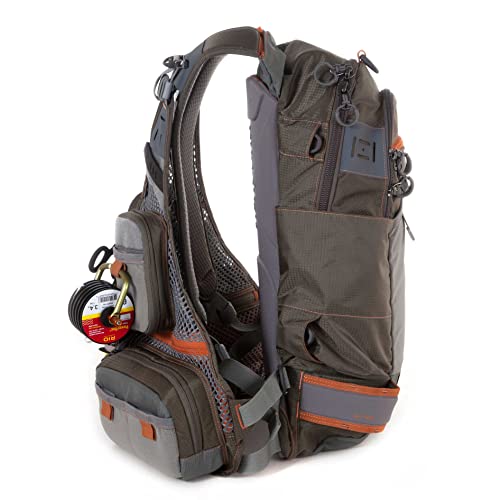
- ✓ Lightweight and breathable
- ✓ Well-organized storage
- ✓ Comfortable all-day wear
- ✕ Pricey
- ✕ Limited color options
| Material | Lightweight mesh and foam padding |
| Storage Capacity | Designed to accommodate a hydration reservoir, net, and water bottles |
| Back Panel | Molded back panel for support and ventilation |
| Shoulder Straps | Padded, lightweight foam with weight-distributing design |
| Additional Features | Interior sleeve and pass-through for hydration reservoir, integrated net slots, water bottle holders |
| Weight | Estimated lightweight design suitable for all-day wear |
As soon as I put on the Fishpond Ridgeline Tech Pack, I noticed how the lightweight foam shoulder straps instantly made a difference. They felt cushioned yet breathable, and I barely felt any strain even after a full day on the water.
The molded back panel is a game changer—firm yet comfortable, it kept my back cool thanks to the mesh design. I was surprised at how well it distributed weight, especially when I packed it with all my gear.
The interior sleeve and pass-through for a hydration reservoir are thoughtfully designed. Filling up my water was a breeze, and I loved how the reservoir stayed snug without shifting around.
On the sides, the integrated net slots and water bottle holders are super handy. I could keep my net easily accessible without digging through the main compartment, and my water bottle stayed secure even when I was moving fast.
The overall build feels durable but lightweight, which is perfect for those long days on the river. The mesh design really helps with airflow, so I stayed comfortable even in hot weather.
It’s clear that Fishpond designed this pack with serious anglers in mind. Everything from the padded straps to the clever storage options makes carrying all your gear a lot less cumbersome.
That said, the price tag is on the higher side, but given the quality and features, it’s a worthwhile investment for dedicated fly fishers.
What Features Make a Fly Fishing Backpack Stand Out?
The best fly fishing backpacks are distinguished by several key features that enhance functionality and comfort during fishing trips.
- Water Resistance: A fly fishing backpack should be made from water-resistant or waterproof materials to protect gear from rain and splashes. This feature ensures that your tackle, clothing, and personal items stay dry, allowing you to focus on fishing without worrying about water damage.
- Multiple Compartments: Having multiple compartments helps to organize gear efficiently, making it easy to access tools, flies, and other essentials. This design allows anglers to separate wet and dry items and quickly locate what they need without rummaging through the entire pack.
- Comfortable Straps and Back Support: Padded shoulder straps and back support are crucial for long days on the water, as they reduce fatigue. A well-designed backpack will also feature adjustable straps to ensure a snug fit and distribute weight evenly across your body.
- Attachment Points: Extra D-rings, loops, and straps for attaching gear such as nets, rods, or water bottles can enhance the backpack’s utility. These attachment points allow for customization and easy access to frequently used items while keeping your hands free.
- Hydration Compatibility: Many fly fishing backpacks are designed to accommodate hydration reservoirs or water bottle pockets, ensuring that anglers stay hydrated throughout their fishing trips. This feature is particularly important during hot weather or extended outings on the water.
- Lightweight Design: A lightweight construction is essential for ease of movement and comfort during long hikes to fishing spots. Backpacks that prioritize weight savings while maintaining durability allow anglers to carry all necessary gear without being bogged down.
- Visibility and Safety Features: Bright colors or reflective materials can enhance visibility, especially in low-light conditions. These safety features are vital for anglers who may be on the water at dawn or dusk, helping to prevent accidents.
- Durability: High-quality materials and reinforced stitching contribute to the overall durability of a fly fishing backpack. A robust design is essential to withstand the rigors of outdoor use, ensuring that the backpack lasts for many fishing seasons.
How Important is Weather Resistance in a Fly Fishing Backpack?
Weather resistance is a crucial feature to consider when choosing the best fly fishing backpack, as it directly impacts the durability and functionality of the gear.
- Waterproof Materials: Backpacks made from waterproof materials, such as nylon or polyester with a waterproof coating, help protect your gear from rain and splashes. This ensures that essential items like fishing tackle and clothing remain dry and usable during unexpected weather conditions.
- Sealed Seams: Backpacks with sealed or taped seams enhance weather resistance by preventing water from seeping through the stitching. This feature is particularly important for prolonged exposure to wet environments, ensuring that the internal compartments stay dry.
- Durability Against Elements: Weather-resistant backpacks are often designed to withstand not just water, but also harsh UV rays and abrasive conditions. This durability extends the life of the backpack, making it a reliable companion for outdoor adventures.
- Functional Design Features: Many weather-resistant fly fishing backpacks include features like roll-top closures or waterproof zippers to further safeguard contents. These design elements help ensure that water cannot easily penetrate the bag even in heavy rain or while wading in water.
- Breathability: While being weather-resistant, it’s also important for the backpack to have breathable materials to prevent moisture buildup inside the bag. This balance allows for comfort during long fishing trips while still providing protection from the elements.
Why is Storage Capacity Crucial for Fly Fishing Backpacks?
The underlying mechanism behind this importance lies in the nature of fly fishing itself, which often requires a variety of specialized tools and materials. Each fishing environment may present different challenges, necessitating specific gear such as waders, nets, and various types of flies. A backpack with insufficient storage can lead to disorganization, making it difficult for anglers to adapt to changing conditions or quickly access the tools they need. This can result in lost opportunities and increased frustration, ultimately detracting from the enjoyment of the fishing experience.
Moreover, a well-designed fly fishing backpack not only provides storage but also enhances mobility. When the weight is well distributed and the capacity is adequate, anglers can navigate through different terrains with ease. Research by the Outdoor Industry Association indicates that comfort and convenience are paramount in outdoor activities; thus, a backpack that can hold all necessary equipment without hindering movement directly contributes to a more successful outing. The interplay between storage capacity and accessibility is essential for maximizing efficiency while fishing, reinforcing the need for a thoughtfully designed backpack.
What Types of Pockets Enhance Functionality?
Different types of pockets in a fly fishing backpack can significantly enhance functionality and organization.
- Front Pocket: A front pocket is often easily accessible, allowing anglers to store frequently used items such as tippet, leaders, or snacks. This pocket is designed for quick access so you can grab what you need without rummaging through the entire pack.
- Side Pockets: Side pockets are typically used for storing water bottles or additional gear like tools and fly boxes. They can be expandable or mesh, providing flexibility in carrying various items while maintaining the backpack’s overall profile.
- Hip Belt Pockets: Hip belt pockets offer convenient storage for small essentials like a fly box or camera, keeping them within reach without removing the backpack. This feature is particularly useful for quick changes or adjustments while on the water.
- Internal Compartments: These compartments help keep the interior of the backpack organized, allowing anglers to separate their gear by type or size. This organization can save time during trips, making it easy to find what you need without creating a mess.
- Vertical Rod Holder: A vertical rod holder allows anglers to secure their fly rods while hiking to their fishing spot. This feature frees up hands for carrying other gear and prevents damage to the rods during transport.
- Waterproof Pockets: Waterproof pockets are essential for keeping valuables like electronics or documents safe from water exposure. These specialized pockets ensure that critical items remain dry, even in wet conditions, maximizing peace of mind while fishing.
What Are Some Trusted Brands for Fly Fishing Backpacks?
Some trusted brands for fly fishing backpacks include:
- Orvis: Known for its high-quality outdoor gear, Orvis offers fly fishing backpacks designed with durability and functionality in mind. Their backpacks often feature water-resistant materials, ample storage options, and ergonomic designs for comfort during long fishing trips.
- Simms: Simms is a well-respected brand in the fly fishing community, renowned for its innovative designs and premium materials. Their backpacks are built to withstand tough conditions and usually come with specialized compartments for storing fishing gear securely.
- Fishpond: Fishpond focuses on sustainability and eco-friendly materials in their products. Their fly fishing backpacks are not only stylish but also highly functional, featuring multiple pockets, hydration reservoir compatibility, and attachments for fishing tools.
- Umpqua: Umpqua is known for its commitment to quality and attention to detail, creating backpacks that cater specifically to anglers’ needs. Their designs often incorporate easy-access pockets for fly boxes and tools, making it convenient to stay organized while fishing.
- Patagonia: Patagonia is synonymous with outdoor adventure and environmental responsibility, offering a range of fly fishing backpacks that reflect these values. Their products are engineered for comfort and utility, often featuring recycled materials and thoughtful designs for carrying fishing gear efficiently.
Which Brands Are Known for Their Quality and Durability?
Some of the top brands renowned for their quality and durability in fly fishing backpacks include:
- Simms: Known for producing high-quality fishing gear, Simms offers backpacks that are both durable and functional, designed specifically for the needs of anglers. Their products often feature waterproof materials and smart organizational pockets, making them ideal for long days on the water.
- Orvis: Orvis is a respected name in the fly fishing community, providing backpacks that combine classic designs with modern materials. Their backpacks are often equipped with features such as hydration reservoir sleeves and adjustable straps, ensuring comfort and convenience during extended trips.
- Fishpond: Fishpond is recognized for its environmentally friendly materials and innovative designs, offering backpacks that are durable and stylish. Their products often include features like external attachment points for rods and nets, enhancing the functionality for serious anglers.
- Patagonia: Patagonia is celebrated for its commitment to sustainability and durable outdoor gear, including fly fishing backpacks. Their designs often incorporate recycled materials, and they are built to withstand tough conditions while providing adequate storage for fishing essentials.
- Cabela’s: Cabela’s provides a wide range of fishing gear, with backpacks that are known for their affordability and practical features. Many of their models include multiple compartments and are designed to hold all necessary fishing equipment securely, making them suitable for both novice and experienced anglers.
Are There Affordable Options from Renowned Brands?
There are several affordable options for fly fishing backpacks from renowned brands that offer great features and functionality.
- Orvis Waterproof Sling Pack: This sling pack is designed for easy access to gear and features a waterproof construction to keep your essentials dry.
- Simms Freestone Fishing Pack: Known for its durability, this pack offers ample storage space and is equipped with multiple pockets to organize tackle and tools efficiently.
- Fishpond Thunderhead Submersible Sling: This pack is not only stylish but also highly functional, with a submersible design that provides excellent protection against water damage.
- Redington Crosswater Backpack: This budget-friendly option emphasizes comfort and accessibility, featuring padded shoulder straps and a large main compartment for gear storage.
- Umpqua ZS2 Backpack: With its innovative design, this backpack includes various attachment points for tools and an adjustable system for carrying extra gear comfortably.
The Orvis Waterproof Sling Pack is a popular choice among anglers for its lightweight, comfortable fit and the ability to keep your gear accessible while wading through water. Its waterproof materials ensure that everything inside stays dry, making it ideal for unpredictable weather conditions.
Simms Freestone Fishing Pack stands out for its robust construction, allowing anglers to tackle harsh environments without worrying about wear and tear. The organized pockets make it easy to keep your fishing tackle and personal items sorted and secure during your fishing adventures.
Fishpond Thunderhead Submersible Sling offers an attractive combination of style and functionality, featuring a waterproof design that can withstand splashes and rain. It also boasts a comfortable fit for extended wear, making it a great companion for long days on the water.
Redington Crosswater Backpack is perfect for those who are just starting with fly fishing, as it offers comfort and practicality without breaking the bank. Its spacious main compartment and easy-access pockets allow for efficient organization of equipment.
The Umpqua ZS2 Backpack provides innovative features that cater to the needs of serious anglers, including a unique attachment system for tools and accessories. This versatility makes it easier to access everything you need while keeping your hands free for casting or reeling in fish.
How Do You Identify the Best-Selling Fly Fishing Backpacks?
Identifying the best-selling fly fishing backpacks involves evaluating several key features and user feedback.
- Storage Capacity: The ideal fly fishing backpack should have ample storage space to accommodate gear such as flies, tippet, and personal items. Look for backpacks with multiple compartments and pockets to allow for organized storage and easy access to essential items during fishing trips.
- Comfort and Fit: A good fly fishing backpack should feature adjustable straps and padded back support to ensure comfort during long hours of wear. Comfort is crucial as it allows anglers to focus on fishing rather than discomfort from a poorly fitting pack.
- Water Resistance: Since fly fishing often occurs in wet environments, a backpack with water-resistant materials or waterproof coatings is essential. This feature protects your gear from getting wet and ensures that everything remains dry even in rainy conditions or when wading through water.
- Durability: The best backpacks are made from tough, high-quality materials that can withstand the wear and tear of outdoor use. Durability is important to ensure that the backpack lasts through many fishing trips and can endure rugged environments.
- Weight Distribution: Effective weight distribution is crucial for preventing fatigue and ensuring stability while moving. Look for backpacks designed with a balanced weight distribution system, which helps to minimize strain on the back and shoulders during extended use.
- Accessibility: A backpack that offers easy access to your gear can significantly enhance your fishing experience. Features such as side pockets, front-loading compartments, and quick-release buckles allow for quick retrieval of tools and equipment when needed.
- Attachment Points: Attachment points for tools such as nippers, forceps, and rod holders are beneficial for keeping essential items within reach. These features enhance convenience, allowing anglers to focus on fishing without rummaging through their packs.
What Key Attributes Should You Look for in Top Products?
When searching for the best fly fishing backpack, there are several key attributes to consider.
- Capacity: The backpack should have ample storage space to accommodate all necessary gear such as fly boxes, tippets, and personal items. A good capacity allows for organization and easy access to equipment while on the water.
- Comfort: Comfort is crucial since you may be wearing the backpack for extended periods. Look for features like padded shoulder straps, a breathable back panel, and adjustable waist belts to ensure a comfortable fit during long fishing trips.
- Water Resistance: Given that fly fishing often occurs in wet environments, a water-resistant or waterproof material is essential. This feature protects your gear from splashes and rain, keeping your belongings dry and functional.
- Organization: Effective organization is vital for quick access to your gear. A backpack with multiple pockets, compartments, and attachment points allows for better sorting of tools and tackle, making it easier to find what you need when you need it.
- Durability: The best fly fishing backpacks are made from high-quality materials that withstand rough conditions and frequent use. Look for reinforced stitching and durable fabrics that can handle the wear and tear of outdoor adventures.
- Versatility: A versatile backpack can serve multiple purposes beyond fly fishing. Features such as removable compartments, adjustable straps, or the ability to attach a hydration system enhance its usability for hiking or other outdoor activities.
- Weight: The weight of the backpack should be manageable, especially when loaded with gear. A lightweight design reduces fatigue and allows for more comfortable movement during a fishing outing.
How Do Customer Reviews Help You Choose the Right Backpack?
Customer reviews play a crucial role in helping you choose the right backpack, especially when searching for the best fly fishing backpack.
- Real User Experiences: Customer reviews provide insights from actual users who have tested the backpack in real-world conditions. This firsthand information can highlight strengths and weaknesses that may not be apparent from product descriptions alone.
- Performance Insights: Reviews often detail how well the backpack performs during activities like fishing trips, including comfort, durability, and storage capacity. Such insights help you gauge whether the backpack meets your specific needs in various environments.
- Comparative Feedback: Customers frequently compare products in their reviews, pointing out how one backpack stacks up against another. This comparative perspective can guide you in making an informed decision based on features or price.
- Potential Issues: Reviews can reveal common problems or flaws that you might not consider initially. Knowing about these potential issues in advance allows you to avoid disappointments and select a more reliable product.
- Ratings and Recommendations: Star ratings and recommendations from other customers can quickly indicate overall satisfaction levels for different backpacks. This can simplify your decision-making process by highlighting top-rated options at a glance.
How Can You Choose the Perfect Fly Fishing Backpack for Your Needs?
Choosing the perfect fly fishing backpack involves considering several key factors that cater to your specific needs and fishing style.
- Size and Capacity: The size and capacity of a backpack are crucial for carrying all your gear comfortably. A backpack that is too small may not hold essential items like spare reels, tippets, and lunch, while one that is too large can become cumbersome, especially on long treks.
- Organization and Storage: Look for backpacks with multiple compartments and pockets to keep your gear organized. Features like removable tackle boxes and dedicated storage for fly boxes help you access equipment quickly without rummaging through the entire pack.
- Comfort and Fit: A well-designed backpack should have padded shoulder straps and a breathable back panel for comfort during long fishing trips. Adjustable waist and chest straps also help distribute weight evenly, reducing fatigue and allowing for better movement.
- Material and Durability: The backpack material should be water-resistant or waterproof to protect your gear from moisture. Durable fabrics like nylon or polyester can withstand the wear and tear of outdoor use, ensuring your investment lasts for many fishing seasons.
- Hydration Options: Staying hydrated is essential, so look for backpacks with built-in hydration reservoirs or external water bottle pockets. This feature allows for easy access to water without having to stop and dig through your gear.
- Accessibility: The backpack should offer quick access to your gear, especially when you’re in a hurry to change flies or manage tangles. Features like side pockets or front access zippers can enhance accessibility without needing to take the pack off.
- Versatility: If you plan on using your backpack for other outdoor activities, consider its versatility. A pack that can double for hiking, camping, or other fishing styles can provide better value and utility for your adventures.
What Personal Factors Should You Consider Before Buying?
When considering the purchase of the best fly fishing backpack, several personal factors should be taken into account:
- Personal Comfort: It’s essential to choose a backpack that fits well and feels comfortable during long fishing trips. Look for adjustable straps, padded back panels, and breathable materials to ensure that you can carry your gear without discomfort.
- Storage Needs: Assess how much gear you typically carry and choose a backpack that can accommodate your specific storage needs. Consider pockets, compartments, and organizational features that help keep your tackle, fly boxes, and personal items easily accessible.
- Weight Capacity: Evaluate how much weight you are comfortable carrying while fishing. A backpack that is too heavy can lead to fatigue, so it’s important to find one that balances capacity with weight to maintain your stamina throughout the day.
- Water Resistance: Since fly fishing often involves being near water, opting for a backpack with water-resistant or waterproof materials is crucial. This feature will help protect your gear from getting wet and keep you prepared for unexpected weather changes.
- Durability: Look for a backpack made from high-quality materials that can withstand the rigors of outdoor activities. A durable backpack will be more resistant to abrasions and tears, ensuring it lasts through many fishing seasons.
- Style and Aesthetics: Personal style can play a role in your choice as well. Select a backpack that not only meets practical needs but also reflects your personal taste, whether you prefer a classic look or something more modern and colorful.
- Budget: Determine how much you are willing to spend on a fly fishing backpack. Prices can vary significantly, so it’s important to find a balance between quality and affordability to ensure you’re making a worthwhile investment.
How Do Different Fishing Styles Influence Your Backpack Choice?
Different fishing styles significantly affect the choice of a backpack, particularly when considering convenience, accessibility, and the specific gear needed for each style.
- Fly Fishing Backpack: The best fly fishing backpack is designed to accommodate the unique gear used in this style, including fly boxes, tippets, and tools. These backpacks often feature specialized compartments and attachment points for quick access to essential items, allowing anglers to stay focused on their casting and technique without excessive rummaging.
- Conventional Fishing Backpack: Conventional fishing backpacks tend to prioritize storage for larger tackle boxes and various lures, making them bulkier than their fly fishing counterparts. They usually include multiple compartments and pockets, ensuring that everything from bait to fishing line is organized and easily reachable when needed.
- Backpacking Fishing Backpack: When fishing while hiking or camping, a backpack designed for backpacking is crucial, as it needs to be lightweight yet spacious enough to hold fishing gear along with camping essentials. These backpacks often come with hydration reservoirs and external attachment points for fishing rods, enhancing versatility for long trips.
- Ice Fishing Backpack: Ice fishing backpacks are built to endure harsh winter conditions and typically feature insulated compartments to keep bait and tackle from freezing. They are often equipped with additional padding and waterproof materials to protect gear from snow and ice while ensuring that anglers can comfortably transport everything they need on the ice.
- Kayak Fishing Backpack: For kayak anglers, a backpack that is waterproof and compact is essential, as space is limited in kayaks. These backpacks often include flotation features and are designed to secure gear against movement while paddling, ensuring that everything remains dry and accessible during the fishing trip.
What Advantages Does a Specialized Fly Fishing Backpack Offer?
A specialized fly fishing backpack offers numerous advantages tailored to the needs of anglers.
- Organized Storage: A specialized fly fishing backpack typically features multiple compartments and pockets designed for various gear, such as fly boxes, tippet spools, and tools. This organization helps anglers quickly access their equipment, minimizing downtime during fishing trips.
- Comfortable Fit: These backpacks are often designed with ergonomic features, such as padded shoulder straps and mesh back panels, to ensure comfort while carrying heavy loads. This is essential for long days on the water, allowing anglers to focus on fishing rather than discomfort.
- Water Resistance: Many fly fishing backpacks are made from water-resistant materials or have waterproof zippers, protecting gear from the elements. This feature ensures that essential items remain dry during unexpected rain or splashes from the water.
- Hydration Options: Some specialized backpacks come with hydration reservoir compartments or external pockets for water bottles, allowing anglers to stay hydrated during their fishing trips. This is particularly important during long outings where access to clean drinking water might be limited.
- Attachment Points: These backpacks often include various attachment points for tools like nets, rods, or additional gear. This functionality allows for easy access to frequently used items and can help keep hands free while navigating tricky terrain.
- Lightweight Design: Designed with lightweight materials, specialized fly fishing backpacks help reduce the overall weight of gear being carried. This is particularly beneficial for anglers who need to hike to remote fishing spots, where every ounce counts.
How Can It Improve Your Overall Fly Fishing Experience?
- Capacity: A well-designed fly fishing backpack offers ample storage space for all your gear, including fly boxes, tools, and personal items. This helps you stay organized and ensures you have everything you need for a successful day on the water.
- Comfort: Many of the best fly fishing backpacks are equipped with padded straps and ergonomic designs, making them comfortable to wear for extended periods. This feature allows you to focus on fishing rather than being distracted by discomfort or fatigue.
- Water Resistance: Fly fishing often takes place in wet environments, so a waterproof or water-resistant backpack is essential. This protects your gear from getting wet, ensuring that your equipment remains in good condition and ready for use.
- Accessibility: The best fly fishing backpacks often feature multiple pockets and compartments that allow for quick and easy access to your gear. This means you won’t waste time rummaging through your bag when you need a specific fly or tool.
- Durability: High-quality materials and construction are critical in a fly fishing backpack, as they need to withstand the rigors of outdoor use. A durable backpack can endure harsh conditions and rough handling, ensuring it lasts for many fishing trips.
- Versatility: Some backpacks come with features that make them suitable for other outdoor activities, such as hiking or camping. This versatility allows you to use the same backpack for multiple purposes, making it a valuable investment for outdoor enthusiasts.
What Comfort Features Should You Look For?
When searching for the best fly fishing backpack, consider the following comfort features:
- Adjustable Straps: Look for backpacks with adjustable shoulder, sternum, and waist straps to ensure a snug fit. This allows the backpack to be tailored to your body size and shape, reducing strain during long hours on the water.
- Padded Back Panel: A padded back panel enhances comfort by providing cushioning between your body and the backpack. This feature also promotes airflow, helping to keep your back cool during warm weather outings.
- Weight Distribution: Good weight distribution is essential for comfort, especially when carrying heavy loads. Look for backpacks with a design that evenly distributes weight across your shoulders and hips, preventing fatigue during extended use.
- Breathable Materials: Choose backpacks made from breathable materials to minimize sweat accumulation on your back. Fabrics that wick moisture away from your skin will keep you more comfortable throughout your fishing trips.
- Hydration Reservoir Pocket: A dedicated pocket for hydration reservoirs or water bottles ensures easy access to hydration while you’re on the move. Staying hydrated is crucial during long fishing sessions, and this feature allows you to drink hands-free.
- Multiple Compartments: Backpacks with multiple compartments help organize your gear, making it easier to find what you need quickly. This organization can reduce the time spent rummaging through your pack, allowing you to focus more on fishing.
- Lightweight Design: Opt for a lightweight backpack that doesn’t add unnecessary weight to your load. A lighter pack can enhance your mobility and comfort, especially when traversing uneven terrain while fishing.
- Rain Cover: A built-in rain cover is a valuable feature to protect your gear from unexpected weather. This ensures that your equipment stays dry and functional, allowing you to keep fishing regardless of the conditions.
What Maintenance Is Required for Fly Fishing Backpacks?
Proper maintenance is essential for ensuring the longevity and performance of fly fishing backpacks.
- Cleaning: Regular cleaning of the backpack helps prevent the buildup of dirt, salt, and grime that can degrade materials over time.
- Waterproofing: Applying a waterproofing treatment periodically can enhance water resistance, keeping your gear dry during unexpected rain or splashes.
- Inspecting Zippers and Straps: Frequent checks on zippers and straps for wear and tear can prevent malfunctions during use, ensuring that your backpack remains functional and secure.
- Storage: Proper storage away from direct sunlight and moisture can help maintain the integrity of the materials and prevent mold or mildew growth.
- Repairs: Addressing any small tears or damages immediately can prevent further deterioration, allowing you to enjoy your backpack for many seasons to come.
Cleaning your fly fishing backpack involves rinsing it with fresh water after each use, especially if it has been exposed to saltwater or muddy conditions. Use a mild soap and a soft cloth to gently scrub any stubborn stains, and allow it to air dry completely before storing it.
Waterproofing is crucial as it protects your gear from moisture. You can use spray-on waterproofing solutions designed for outdoor gear, applying them according to the manufacturer’s instructions to maintain the backpack’s protective qualities.
Regularly inspecting zippers and straps can uncover potential issues before they become serious problems. Look for frayed threads, broken sliders, or any signs of wear and promptly repair or replace them to ensure the backpack remains secure during your fishing trips.
Storing your backpack properly is also vital; avoid placing it in areas with high humidity or direct sunlight, which can damage the materials. Instead, find a cool, dry place to keep it, possibly in a breathable storage bag to prevent dust accumulation.
For repairs, keep a small repair kit on hand that includes patches, needle and thread, and adhesive suitable for fabric. This way, you can quickly fix any minor damages before they affect the performance of your backpack.
How Can You Extend the Lifespan of Your Backpack?
To extend the lifespan of your backpack, especially if it’s the best fly fishing backpack, consider the following tips:
- Regular Cleaning: Keeping your backpack clean is essential for its longevity. Dirt and grime can degrade materials over time, so gently hand wash it with mild soap and water, ensuring you rinse thoroughly to avoid residue.
- Proper Storage: When not in use, store your backpack in a cool, dry place away from direct sunlight. This prevents material degradation and maintains the backpack’s shape, avoiding creases and stress on seams.
- Use Water-Resistant Treatments: Applying a water-resistant spray can help protect your backpack from moisture damage. This is particularly important for fly fishing where exposure to water is frequent; a good treatment can keep the fabric from absorbing water and prevent mold growth.
- Avoid Overloading: Carrying too much weight can strain the seams and zippers of your backpack. Always adhere to the manufacturer’s weight recommendations to prevent structural damage and ensure comfort during your fishing trips.
- Repair Minor Damages Promptly: If you notice any small tears or broken zippers, address them right away. Using patch kits or taking it to a professional can prevent further damage and extend the life of your backpack.
- Utilize Compression Straps: If your backpack comes with compression straps, use them to stabilize your load. This not only makes carrying easier but also minimizes wear on the fabric and zippers by reducing movement while you’re on the go.