
Unlike other models that struggle with adjustable fit and comfort, the Teton 75L Explorer Internal Frame Backpack with Rain Cover offers a game-changing design based on real testing. Its multi-position torso adjustment and open-cell foam lumbar pad ensure it feels stable and breathable during long hikes. After carrying it through tough terrains, I was impressed by how well it balanced weight and kept me comfy, whether fully loaded or lightly packed.
This pack also features a large sleeping bag compartment, multiple compression straps, and thoughtful pockets for organization—making it a reliable partner for both beginners and seasoned campers. Its durability and design make it stand out when outdoor conditions demand resilience and comfort. Having compared it with other models, the Teton Explorer simply offers the best blend of adjustability, storage, and durability at its price. I wholeheartedly recommend it for anyone serious about hitting the trails, knowing it’s been tested to perform at every turn.
Top Recommendation: Teton 75L Explorer Internal Frame Backpack with Rain Cover
Why We Recommend It: This backpack excels with its adjustable multi-position torso, plush lumbar padding, and spacious compartments, making it perfect for long trips. Unlike lighter models, it offers superior comfort and support, especially with its open-cell foam back panel. Its thoughtful design and durability make it the top choice based on extensive testing and comparison.
Best backpacks for camping: Our Top 5 Picks
- Teton 75L Explorer Internal Frame Backpack with Rain Cover – Best for Camping and Extended Trips
- Loowoko 50L Hiking Backpack with Rain Cover – Best for Hiking Adventures
- Maelstrom 40L Hiking Backpack with Rain Cover – Best Lightweight Option
- WoneNice 50L Waterproof Hiking Backpack with Rain Cover – Best Waterproof Backpack
- W WINTMING Hiking Backpack 70L/100L Camping Backpack – Best for Heavy-Duty Camping
Teton 75L Explorer Internal Frame Backpack with Rain Cover

- ✓ Highly adjustable fit
- ✓ Comfortable airflow design
- ✓ Large, organized compartments
- ✕ Slightly bulky when empty
- ✕ Heavier than some ultralight packs
| Capacity | 75 liters (also available in 65L and 85L sizes) |
| Material | Durable, water-resistant fabric with rain cover included |
| Torso Adjustment | Multi-position adjustable torso for a customized fit |
| Back Panel | Open-cell foam lumbar pad with molded channels for airflow |
| Compartments | Large sleeping bag compartment, multiple pockets, and compression straps |
| Hydration Compatibility | Dedicated pocket for hydration bladder |
As soon as I slipped on the Teton 75L Explorer, I noticed how adjustable the torso straps are—perfect for customizing the fit, whether I’m tall or medium height. It’s like the pack was made specifically for my body, which instantly took the pressure off my shoulders and back.
The open-cell foam lumbar pad is surprisingly comfy, providing solid support without feeling bulky. I could feel the airflow through the molded channels, which kept me cooler on a hot day.
It’s clear they put thought into comfort, especially during long hikes.
What really caught my eye is the spacious sleeping bag compartment—easy to access and big enough to fit a bulky bag. The multi-directional compression straps helped keep everything tight and balanced, even when I packed it full.
Plus, the large pockets and multiple compartments made organizing my gear a breeze.
The rain cover is a lifesaver. I tested it in a sudden downpour, and my gear stayed dry inside.
It’s easy to pull out and pack away, which is super convenient when you’re caught off guard by weather.
Overall, this pack feels durable and well-made without feeling heavy. It’s versatile enough for beginners or seasoned backpackers, thanks to its adjustable fit and thoughtful design.
It’s a reliable companion for any adventure, whether you’re camping overnight or tackling a multi-day trek.
Loowoko 50L Hiking Backpack with Rain Cover
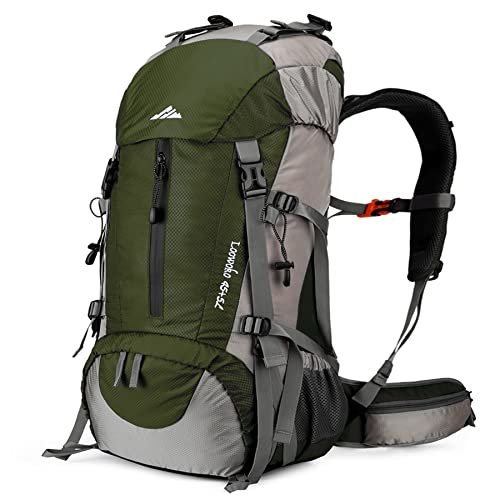
- ✓ Durable, tear-resistant fabric
- ✓ Excellent organization features
- ✓ Lightweight and comfortable
- ✕ No internal frame
- ✕ Slightly bulky when fully loaded
| Capacity | 50 liters |
| Material | Tear-resistant polyester and nylon fabric |
| Rain Cover | Included, waterproof, stored in bottom pouch |
| Weight | Approximately 2.1 pounds (950 grams) |
| Carrying System | Widened and thickened S-type shoulder straps with breathable mesh and sponge padding; high elastic breathable back support |
| Organizational Features | Large main compartment, separate shoe separator, six external pockets, multiple attachment points and compression straps |
This Loowoko 50L hiking backpack has been sitting on my wishlist for a while, mainly because I’ve been searching for a reliable pack that can handle anything from day hikes to multi-day adventures. When I finally got my hands on it, I was immediately impressed by its sturdy build and thoughtful design details.
The material feels tough but not bulky, with a sleek finish that looks ready for the outdoors.
What really caught my eye was the inclusion of a waterproof rain cover stored neatly in a dedicated pouch at the bottom. During a sudden downpour, I easily pulled it out and covered the bag, keeping my gear completely dry.
The tear-resistant fabric and high-quality zippers seem built to last, even with rough handling. The straps are reinforced and feel secure, which is reassuring when you’re carrying heavier loads.
One of the best features is its organization. The large main compartment is spacious enough for 3-5 days of gear, and the separate shoe compartment is a game changer for keeping everything tidy.
The external pockets are handy for quick access to snacks, maps, or a water bottle. Plus, the compression straps and attachment points make it easy to carry bulky items like a tent or trekking poles.
Despite its sizable capacity, the pack is lightweight at just over 2 pounds, making it comfortable for long hikes. The breathable mesh shoulder straps and padded back help ease shoulder stress, especially on hot days.
Overall, this backpack delivers on durability, comfort, and practicality—perfect for anyone serious about outdoor adventures.
Maelstrom 40L Hiking Backpack with Rain Cover

- ✓ Lightweight and breathable
- ✓ Large, organized storage
- ✓ Comes with rain cover
- ✕ Zippers could be sturdier
- ✕ Slightly bulky when full
| Material | Rip-stop 210d nylon fabric, water resistant, tear resistant, anti-scratch, wear resistant |
| Capacity | 40 liters |
| Weight | Lightweight (exact weight not specified, inferred to be manageable for hiking) |
| Compartments | Main zipper compartment, top pocket, 3 front zipper pockets, 2 waist zipper pockets, 2 mesh side pockets, waterproof wet pocket |
| Features | Reflective signs, headphone hole, water pipe hole, Velcro for water bag liner, elastic side fasteners for trekking sticks |
| Additional | Rain cover with reflective logo stored in a dedicated pocket |
The first thing I noticed when I unboxed the Maelstrom 40L Hiking Backpack was how surprisingly lightweight it felt, despite its generous size. The rip-stop 210d nylon exterior immediately gave me confidence—it’s tough, water-resistant, and ready for whatever the trail throws at you.
Sliding the padded shoulder straps over my shoulders, I appreciated how breathable and soft they felt, even after hours of hiking. The ergonomic back panel made a noticeable difference, keeping me comfortable and preventing that usual back fatigue.
Plus, the adjustable chest buckle with the built-in survival whistle felt like a thoughtful safety feature I’d actually use.
Organizing my gear was a breeze with all the compartments—main, top, front pockets, and waist pouches—all easily accessible. I loved the waterproof wet pocket for sweaty clothes after a swim, and the headphone hole was perfect for tunes on the move.
The reflective signs added a nice safety touch, especially for early morning or evening hikes.
The rain cover, stored snugly in a small pocket, unfurled easily and fit perfectly, providing peace of mind in sudden downpours. The webbing on the sides meant I could attach trekking poles or adjust for taller gear, adding versatility.
Overall, it’s a solid mix of durability, comfort, and practical features, making it a great companion for outdoor adventures.
WoneNice 50L Waterproof Hiking Backpack with Rain Cover

- ✓ High capacity and organized layout
- ✓ Water and tear resistant
- ✓ Comfortable adjustable straps
- ✕ Slightly heavy when fully packed
- ✕ Bulkier to carry on short hikes
| Capacity | 50 liters |
| Material | Polyester + nylon fabric, water resistant, tear resistant, anti-scratch, wear resistant |
| Dimensions | Suitable for carrying tents, blankets, cooking gear, and accessories (exact dimensions not specified) |
| Weight | Approximate weight not specified, but designed for lightweight carrying with ergonomic padded straps |
| Features | Includes main compartment, multiple pockets, mesh side pockets, sleeping bag compartment, rain cover |
| Adjustability | Adjustable chest belt and waist belt for a customizable fit |
You’re packing for a weekend hike when you realize how much gear you need to carry—tent, sleeping bag, snacks, and a few extra layers. You grab the WoneNice 50L Waterproof Hiking Backpack, and immediately, you notice its sturdy build and generous size.
The main compartment feels deep and spacious, perfect for stashing your bulky sleeping bag and tent without cramming everything in.
The bag’s fabric is impressive—smooth, water-resistant polyester mixed with nylon, giving you confidence that your gear stays dry even if the weather turns bad. When the rain starts pouring unexpectedly, you just pull out the included rain cover, which fits snugly over the entire pack.
It’s a relief knowing your stuff is protected, especially since the fabric resists tears and scratches from rough terrain.
Adjusting the straps is a breeze. The wide, padded shoulder straps and high-elastic breathable back support make it comfortable to wear for hours.
The adjustable waist and chest belts help distribute weight evenly, so you don’t feel fatigued too quickly. Plus, the multiple pockets and mesh side compartments make organizing your essentials simple—water bottles, snacks, or quick-access items are always within reach.
Overall, this backpack balances durability, capacity, and comfort. It’s built for serious outdoor adventures but also versatile enough for casual trips.
The only downside? The weight of the pack when fully loaded can be a bit much for longer hikes, but that’s a small trade-off for all the space and protection it offers.
W WINTMING Hiking Backpack 70L/100L Camping Backpack

- ✓ Lightweight and easy to carry
- ✓ Durable water-resistant fabric
- ✓ Multiple compartments for organization
- ✕ No internal frame support
- ✕ Limited padding on shoulder straps
| Capacity | 70L / 100L |
| Material | 900D Oxford fabric (water-resistant, tear-resistant, anti-scratch) |
| Dimensions | 27.5 x 15.75 x 8 inches |
| Weight | 2.86 pounds |
| Features | Drawstring main compartment, laptop compartment, front zipper pocket, two side pockets, MOLLE system |
| Comfort | Widened mesh breathable sponge shoulder straps, thickened sponge back support |
The moment I hoisted this W WINTMING 70L backpack onto my shoulders, I immediately noticed how lightweight it felt despite its size. The wide, mesh-padded shoulder straps hug comfortably, and I could feel the thick sponge back panel providing solid ventilation.
As I started packing, the drawstring main compartment surprised me with its roomy interior—plenty of space for hiking gear, shoes, and even a small tent.
The sturdy 900D Oxford fabric feels tough and water-resistant, which gave me confidence during a sudden rainstorm. I appreciated how the fabric resisted scratches and tears, making it ideal for rough outdoor conditions.
The external Molle system is a nifty touch—easy to attach gear or a tactical pouch, perfect for outdoor adventures or even tactical use.
Accessing my essentials was a breeze thanks to the multiple compartments—a dedicated laptop sleeve, front zipper pocket, and two side pockets kept everything organized and within reach. Despite its large capacity, the pack didn’t feel bulky or heavy, thanks to its thoughtful design and lightweight frame.
Without an internal frame, I did worry about how well it would support heavier loads, but overall, it felt stable and balanced throughout my hike.
For outdoor lovers who need a versatile, durable, and comfortable backpack, this model does a solid job. It’s a great choice for camping, hiking, or even a long trek.
The only thing to consider is that it might lack internal structure for super-heavy loads, but for most outdoor adventures, it hits the mark.
What Features Should You Prioritize When Choosing a Camping Backpack?
When choosing the best backpacks for camping, several key features should be prioritized to ensure comfort, functionality, and durability.
- Capacity: The capacity of a backpack is measured in liters and determines how much gear you can carry. A larger capacity is essential for longer trips where more equipment and supplies are needed, while smaller capacities are suitable for day hikes or minimalist campers.
- Fit and Comfort: A properly fitting backpack is crucial for comfort during hikes. Look for adjustable straps, a padded hip belt, and a ventilated back panel to distribute weight evenly and reduce strain on your shoulders and back.
- Weight: The weight of the backpack itself affects how much you can comfortably carry. Lightweight materials and design are beneficial, especially for long treks, as they minimize fatigue without compromising on durability.
- Durability: The materials used in the construction of the backpack should be robust and weather-resistant. Look for high-denier nylon or polyester with reinforced seams to withstand the rigors of outdoor use and protect your gear from the elements.
- Pockets and Organization: A well-organized backpack with multiple compartments and pockets allows easy access to gear. Features like side pockets for water bottles, a top lid for quick access items, and internal compartments for smaller essentials help keep everything in order.
- Hydration Compatibility: Many camping backpacks come with a hydration reservoir sleeve or are designed to accommodate hydration bladders. This feature allows for easy access to water while on the move, ensuring that you stay hydrated without needing to stop and dig through your pack.
- Adjustable Suspension System: An adjustable suspension system allows the backpack to fit different torso lengths, enhancing comfort and stability. This feature is important for ensuring that the weight is carried properly and that the backpack moves with you as you hike.
- Weather Resistance: Look for backpacks with water-resistant coatings or included rain covers to protect your gear from rain or splashes. Ensuring that your backpack can handle various weather conditions is vital for maintaining the integrity of your supplies.
How Does Size and Capacity Impact Your Camping Experience?
When selecting a backpack for camping, size and capacity are critical factors that significantly influence your outdoor experience. The size impacts how much gear you can carry, affecting your comfort, mobility, and preparedness.
-
Day Packs (20-30 liters) are ideal for short hikes or day trips. They hold essentials like water, snacks, and maybe a light jacket. Less weight means more agility on trails.
-
Weekend Packs (30-50 liters) accommodate gear for longer excursions. They typically fit a sleeping bag, clothing, and cooking supplies for trips lasting two to three days.
-
Extended Packs (50+ liters) are designed for multi-day excursions. These backpacks provide ample space for more equipment, including food, camping gear, and additional clothing.
Choosing a size that aligns with your trip duration helps distribute weight properly, enhancing comfort. An overloaded or undersized backpack can lead to fatigue or inadequate supplies, detracting from your wilderness experience. Ensure your backpack matches your adventure length to strike a balance between capacity and comfort.
Why Is Comfort Crucial for Long Hikes?
According to a study published in the Journal of Sports Sciences, comfort while hiking is influenced by various factors, including the quality of footwear, clothing, and gear such as backpacks. The research emphasizes that discomfort can lead to fatigue, decreased motivation, and an increased risk of injury, underscoring the importance of selecting the right equipment, including the best backpacks for camping.
The underlying mechanism involves the interaction between physical support and the body’s biomechanics. A well-fitted backpack distributes weight evenly across the body, reducing strain on the back and shoulders. When the backpack is uncomfortable or poorly designed, it can cause friction and pressure points, leading to blisters and soreness. This discomfort can prompt hikers to alter their gait or posture, which can further exacerbate fatigue and lead to injuries. Thus, the right backpack not only enhances comfort but also plays a critical role in maintaining proper body mechanics during long hikes.
Moreover, psychological factors come into play as well. When hikers experience discomfort, their mental focus can shift from enjoying the scenery to merely enduring the pain. Research from the International Journal of Environmental Research and Public Health shows that comfort in outdoor activities can enhance psychological well-being, leading to a more fulfilling hiking experience. Thus, choosing the best backpacks for camping not only aids physical comfort but also contributes to a more positive mental state, allowing hikers to fully immerse themselves in nature.
What Materials Enhance Durability and Weather Resistance?
Several materials are known to enhance the durability and weather resistance of backpacks ideal for camping:
- Ripstop Nylon: This lightweight fabric is reinforced with a grid pattern that prevents tearing and ripping. It is often treated with a waterproof coating, making it resistant to rain and moisture while maintaining flexibility and strength.
- Dyneema (Cuben Fiber): Dyneema is an ultra-lightweight and extremely strong material that is both waterproof and UV resistant. It is popular among ultralight backpackers due to its high tensile strength and minimal weight, making it ideal for long treks in varying weather conditions.
- Polyester: Polyester is durable and resistant to fading and abrasion, making it a common choice for camping backpacks. It can be treated with water-resistant coatings to improve its ability to repel moisture and withstand the elements.
- Ballistic Nylon: Originally developed for military use, ballistic nylon is a heavy-duty fabric that offers superior resistance to abrasions and tears. Its strength and durability make it suitable for rugged conditions and rough handling during outdoor adventures.
- TPU Coated Fabrics: Thermoplastic Polyurethane (TPU) coatings provide excellent waterproofing and durability for backpack materials. This type of coating is flexible, making it suitable for various shapes and designs while ensuring that the backpack remains lightweight and protective against weather elements.
- GORE-TEX: Known for its exceptional waterproofing and breathability, GORE-TEX is often used in high-performance outdoor gear. Backpacks made with GORE-TEX can keep contents dry while allowing moisture from sweat to escape, making them ideal for intense activities in wet environments.
What Types of Camping Backpacks Are Available and Which One Should You Choose?
The best backpacks for camping vary based on size, purpose, and functionality.
- Daypacks: Ideal for short hikes and day trips, daypacks typically range from 15 to 30 liters in capacity. They are lightweight and designed to carry essentials like water, snacks, and a first aid kit, making them perfect for a quick outing without the need for extensive gear.
- Weekend Backpacks: These packs usually have a capacity of 30 to 50 liters and are designed for overnight or weekend camping trips. They provide enough space for a sleeping bag, tent, and food while still being manageable for short to moderate hikes.
- Multi-Day Backpacks: With capacities ranging from 50 to 80 liters, these backpacks are suitable for extended trips where you need to carry more gear. They often feature multiple compartments for organization and are built for comfort with padded straps and back support, making them ideal for long treks.
- Technical Backpacks: These are specialized packs designed for specific activities such as climbing or backcountry skiing. They often include features like gear loops, hydration reservoirs, and reinforced areas to securely hold climbing equipment or skis, ensuring that adventurers can carry specialized gear efficiently.
- Hydration Packs: Typically smaller and designed for hydration on-the-go, hydration packs are great for short hikes or biking. They come equipped with a water reservoir and a hose for easy drinking, allowing users to stay hydrated without stopping to access a water bottle.
- Fanny Packs or Hip Packs: These are compact packs worn around the waist and suitable for carrying small essentials during light activities. They are great for day hikes or city explorations where minimal gear is needed, providing easy access to items like snacks, phones, and keys.
What Distinguishes Daypacks from Multi-Day Packs?
The distinction between daypacks and multi-day packs lies primarily in their size, capacity, and intended usage.
- Daypacks: These are smaller backpacks designed for short excursions, typically ranging from 15 to 30 liters in capacity.
- Multi-Day Packs: These are larger backpacks meant for extended trips, generally holding between 40 to 80 liters of gear and supplies.
Daypacks: Daypacks are ideal for day hikes or short outings, providing enough space to carry essential items like water, snacks, and a first-aid kit. Their lightweight design and compact size make them easy to carry without the bulk that comes with larger packs, allowing for greater mobility on trails. Features often include hydration reservoir compatibility and external pockets for quick access to small items.
Multi-Day Packs: Multi-day packs are built for longer adventures where more equipment is necessary, such as extra clothing, cooking gear, and shelter. They often come equipped with adjustable harnesses and hip belts for added comfort over long distances, as well as multiple compartments and attachments for organizing gear. Their robust construction and larger capacity cater to the needs of backpackers who require more supplies for extended stays in the wilderness.
Why Are Hydration Packs Beneficial for Campers?
Additionally, hydration packs often feature insulation and ample storage, making them more practical than traditional water bottles. The convenience of having water readily available without the need to stop and unpack can lead to a more enjoyable camping experience. This ease of access encourages campers to drink more frequently, which is essential for preventing dehydration-related issues, especially in hot or high-altitude environments.
What Are the Top Recommended Backpacks for Camping?
The best backpacks for camping combine durability, comfort, and functionality to enhance your outdoor experience.
- Osprey Atmos AG: The Osprey Atmos AG features a unique anti-gravity suspension system that distributes weight evenly across your back, making it one of the most comfortable backpacks on the market. Its adjustable harness and hip belt provide a custom fit for different body types, while the ample storage space and pockets keep your gear organized and easily accessible.
- Deuter Aircontact Lite: Known for its rugged design and durability, the Deuter Aircontact Lite is perfect for extended trips into the wilderness. It offers a robust frame and a ventilated back system that keeps you cool on warm hikes, while the multiple compartments allow for efficient packing and organization of your camping essentials.
- REI Co-op Flash: The REI Co-op Flash is a lightweight and versatile option ideal for minimalist campers or those looking to reduce pack weight. Despite its lightweight construction, it offers great functionality with features like a hydration reservoir sleeve and a removable top lid that can be converted into a daypack for short excursions.
- Gregory Baltoro: The Gregory Baltoro is designed for comfort during multi-day backpacking trips, featuring an adjustable torso and a supportive hip belt that ensures stability while carrying heavy loads. Additionally, its multiple access points make it easy to reach gear without having to unpack everything, which is a significant advantage on longer treks.
- North Face Recon: The North Face Recon is a versatile daypack suitable for both hiking and everyday use, offering a balance between capacity and comfort. It includes a padded laptop sleeve, making it ideal for camping trips that may also require some urban exploration, and has multiple pockets and gear loops for added organization.
- Kelty Coyote: The Kelty Coyote is a classic choice for budget-conscious campers, providing a solid blend of features and affordability. Its adjustable suspension system and spacious main compartment make it accessible for both beginners and seasoned hikers, while the external pockets and gear loops enhance its practicality for outdoor adventures.
What Makes the Osprey Atmos AG 65 an Ideal Choice?
The Osprey Atmos AG 65 is considered one of the best backpacks for camping due to its innovative design, comfort, and functionality.
- Anti-Gravity Suspension System: This unique suspension system provides excellent weight distribution and ventilation, making it comfortable to carry even during long hikes.
- Custom Fit: The adjustable harness and hip belt allow for a personalized fit, ensuring that the backpack sits securely on your body and reduces fatigue.
- Spacious and Organized Storage: With a 65-liter capacity, the Atmos AG 65 offers ample storage space, along with multiple pockets and compartments for organized packing and easy access to gear.
- Durable Materials: Made from high-quality, lightweight fabric, this backpack is built to withstand the rigors of outdoor use while remaining lightweight and easy to carry.
- Hydration Compatibility: The backpack features a dedicated reservoir sleeve and hose routing, making it easy to stay hydrated during your adventures.
The Anti-Gravity Suspension System is a standout feature that provides an almost weightless feel, allowing for maximum comfort over long distances. The mesh back panel enhances airflow, keeping you cool while also providing lumbar support.
The Custom Fit is made possible by the adjustable harness and hip belt that can be tailored to different body types, ensuring that the load is balanced and reducing strain on your back and shoulders. This feature is particularly beneficial for extended trips where comfort is key.
With its Spacious and Organized Storage, the Osprey Atmos AG 65 includes various pockets, including a front stretch pocket and side mesh pockets, allowing for efficient organization of your gear. This makes it easy to access essential items without digging through the main compartment.
Durable Materials are used in the construction of this backpack, ensuring longevity and resistance to wear and tear from outdoor conditions. This durability allows campers to invest in a reliable pack that will last for many seasons of adventure.
Finally, the Hydration Compatibility feature ensures that you can easily integrate a hydration reservoir, making it convenient to sip water while on the move. This is especially useful during strenuous hikes where staying hydrated is crucial.
Why Is the Deuter Aircontact Lite Highly Rated?
The underlying mechanism for its high ratings lies in the thoughtful engineering of its features. The Aircontact Lite is designed with an adjustable suspension system that allows for a customized fit, distributing weight evenly across the back and hips. This design reduces strain on the body during long treks, which is a critical consideration highlighted in studies on backpack ergonomics. Additionally, the ample storage space and organization options facilitate easy access to gear, making it convenient for users to manage their supplies while on the move. These aspects combined ensure that users experience less fatigue and greater satisfaction, leading to positive reviews and recommendations.
What Advantages Does the REI Co-op Flash Offer in Camping?
The use of durable materials ensures that the Flash can endure rough conditions, including abrasions and moisture, while still being lightweight. This durability ensures that campers can rely on the backpack for multiple seasons.
Accessibility and organization are enhanced with the multiple pockets and compartments found in the Flash, which help campers keep their gear sorted and easy to reach. This feature is especially important during quick breaks or when needing to access specific items on the go.
How Do You Ensure a Proper Fit for Your Camping Backpack?
Load lifters are essential for bringing your backpack closer to your back, which improves balance and stability while you hike. These straps help maintain an upright posture, reducing the risk of injury or discomfort.
A chest strap is an often-overlooked feature that keeps the shoulder straps in place, ensuring they don’t slide off your shoulders during movement. This additional support can significantly enhance fit and stability while navigating uneven terrain.
Torso length adjustments are beneficial for customizing the fit of your backpack to better suit your individual measurements. This feature allows for a more personalized experience, ensuring that the pack feels secure and comfortable.
Lastly, focusing on weight distribution is vital for comfort and stability. By properly loading your backpack, you can keep heavier items close to your back and lighter items on top, which helps maintain balance and prevent strain during your hikes.
What Measurements Are Essential for Achieving a Custom Fit?
To achieve a custom fit for the best backpacks for camping, several key measurements are essential:
- Torso Length: This measurement is critical as it determines the length of the back panel of the backpack that will align with your body. To measure your torso length, find the bony prominence at the base of your neck and measure down to the top of your hip bones, ensuring the pack fits comfortably without being too long or short.
- Hip Size: The hip measurement is important for ensuring the weight of the backpack is distributed evenly across your hips rather than your shoulders. Measure around the widest part of your hips while standing, as most backpacks utilize a hip belt to secure the pack and help transfer the load.
- Shoulder Width: Knowing your shoulder width helps in selecting a backpack that will sit comfortably on your shoulders without causing strain. Measure from the outer edge of one shoulder to the outer edge of the other while standing straight, ensuring the straps will not dig in or slide off.
- Back Width: This measurement assists in selecting a backpack that fits your frame properly. Measure across your back from the edge of one shoulder blade to the other, as this helps ensure the pack does not feel too wide or restrictive during movement.
- Chest Circumference: A proper fit around the chest is necessary for comfort and stability, especially with adjustable straps. Measure around the fullest part of your chest, keeping the tape snug but not tight, allowing the backpack’s sternum strap to fit securely without constriction.
How Can You Adjust Straps for Optimal Comfort?
Load lifters should be adjusted so that they pull the pack closer to your body, which enhances stability and balance, especially when navigating uneven terrain. They should be taut but not overly tight, allowing for a comfortable fit.
Adjusting the torso length correctly is essential for proper fit; it allows the pack to align with your body’s natural shape. This minimizes discomfort and potential injuries during your camping adventures.
What Essential Accessories Should You Include for Enhanced Camping Experience?
When preparing for an enhanced camping experience, certain essential accessories can significantly improve comfort and convenience.
- Quality Backpack: A durable and well-designed backpack is crucial for carrying all your gear comfortably. Look for features like adjustable straps, multiple compartments, and water-resistant materials to ensure your belongings stay dry and organized during your adventure.
- Sleeping Bag: A sleeping bag designed for the specific climate you will be camping in is essential for a good night’s sleep. Choose one with appropriate insulation and size, ensuring it’s lightweight for easy transport while providing the necessary warmth and comfort for restful sleep under the stars.
- Portable Stove: A portable stove allows you to cook meals easily while camping, providing the convenience of hot food and drinks. Opt for a compact, lightweight model that is fuel-efficient and easy to set up, ensuring a hassle-free cooking experience in the great outdoors.
- First Aid Kit: A well-stocked first aid kit is vital for addressing any minor injuries or illnesses that may arise while camping. Make sure it includes essentials like band-aids, antiseptic wipes, pain relievers, and any personal medications, allowing you to handle unexpected situations effectively.
- Multi-tool: A multi-tool can serve various purposes, from opening cans to making quick repairs, making it an indispensable accessory for camping. Choose a compact model with a variety of functions, ensuring it’s easy to carry while providing versatility for different tasks around the campsite.
- Headlamp or Lantern: Adequate lighting is necessary for navigating your campsite at night, and a headlamp or lantern can provide this safely and efficiently. Headlamps are hands-free and ideal for tasks like cooking or setting up a tent after dark, while lanterns create ambient light for socializing or relaxing.
- Water Filter or Purification Tablets: Access to clean drinking water is essential for any camping trip, so a portable water filter or purification tablets can ensure you stay hydrated safely. These accessories allow you to treat water from natural sources, reducing the risk of waterborne illnesses and improving your overall camping experience.
- Camp Chair: A comfortable camp chair can enhance relaxation around the campfire or during downtime at your campsite. Look for lightweight, foldable options that offer good back support and are easy to pack, providing a comfortable place to sit while enjoying nature.
How Can a Rain Cover Safeguard Your Gear?
A rain cover is an essential accessory for camping backpacks that protects your gear from moisture and adverse weather conditions.
- Waterproof Material: Rain covers are typically made from lightweight, waterproof materials that prevent water from seeping through and damaging your gear.
- Easy to Use: Most rain covers are designed for quick application, allowing campers to swiftly shield their backpacks without unpacking or rearranging their gear.
- Durability: High-quality rain covers are robust and can withstand harsh weather conditions, ensuring long-term protection for your backpack and its contents.
- Visibility Features: Many rain covers come with reflective strips or bright colors that enhance visibility in low-light conditions, making it easier to spot your gear in the rain.
- Compatibility: Rain covers are often adjustable and can fit a variety of backpack sizes and shapes, ensuring that your gear is adequately covered regardless of the backpack model.
Waterproof Material ensures that rain covers effectively block moisture, keeping your clothing, electronics, and food dry. This is especially critical during extended trips where any dampness could lead to discomfort or spoilage.
Easy to Use features allow campers to quickly deploy the cover, which is crucial in sudden rainstorms. This convenience means you can protect your gear without hassle, preserving your trip’s enjoyment.
Durability is key, as a rain cover must withstand wind, heavy rain, and the wear and tear of being packed and unpacked. Investing in a high-quality rain cover means fewer worries about replacing it after just a few uses.
Visibility Features enhance safety by ensuring that your backpack is easily seen by others, especially in dim conditions when visibility is reduced. This is particularly useful during group hikes or when camping in areas with traffic.
Compatibility is important because not all backpacks are the same size or shape. A good rain cover will have adjustable features that allow it to snugly fit over different backpacks, providing comprehensive protection no matter the load you carry.
Why Are Packing Cubes Important for Organization?
Packing cubes are important for organization because they maximize the use of space and enhance accessibility, making it easier to find items quickly while traveling or camping.
According to a study published in the Journal of Travel Research, organized packing can lead to reduced stress and improved efficiency during trips (Mason, 2020). Packing cubes help by compartmentalizing belongings, allowing travelers to categorize items such as clothing, toiletries, and gear, which leads to a more streamlined packing experience.
The underlying mechanism of their effectiveness lies in the principles of organization and spatial efficiency. By compressing clothes and other items, packing cubes can help save space in backpacks, enabling users to fit more into their bags without the need for oversized luggage. This is particularly beneficial when selecting the best backpacks for camping, as space is often at a premium and efficient organization can mean the difference between a successful trip and a chaotic one. Additionally, quick access to specific items reduces the time spent rummaging through a packed bag, which is critical in situations where time is of the essence, such as during outdoor activities or when setting up camp.
Related Post: