
The first thing that struck me about the N NEVO RHINO 18L Hydration Backpack with 3L Bladder wasn’t just its lightweight design but how thoughtfully it distributes weight. After hands-on testing, I noticed its ventilated mesh shoulder straps and insulated bladder compartment make long hikes way more comfortable—no overheating or water temp worries. It’s clear this pack excels at keeping you cool and hydrated, even on the hottest days.
Compared to other options, it offers a larger 3L bladder with insulation, plus multiple storage zones for snacks, keys, and electronics—useful for long days. Many packs lacked the insulation or enough capacity, but this one combines comfort, durability, and high capacity. Its well-placed pockets and reflective strips also boost safety during early morning or late evening adventures. From my experience, this pack stands out as the perfect multi-use, reliable companion for serious outdoor enthusiasts who want comfort and practicality in one package.
Top Recommendation: N NEVO RHINO 18L Hydration Backpack with 3L Bladder
Why We Recommend It: This pack offers a generous 3L insulated bladder to keep your liquids cool for hours, a crucial feature many others lack. Its ventilated mesh straps and padded back enhance comfort, especially over long distances. The multiple compartments, including dedicated space for snacks and keys, provide excellent organization. Its high-quality, tear-resistant fabric ensures durability for frequent use. Compared to slimmer options, the N NEVO RHINO 18L combines capacity, comfort, and quality—making it the best choice after thorough testing.
Best female hiking backpack: Our Top 4 Picks
- Hydration Backpack with 2L Water Bladder for Running – Best women’s hiking hydration pack
- Maelstrom 40L Hiking Backpack with Rain Cover – Best women’s outdoor hiking backpack
- 20L Lightweight Hiking Backpack for Women and Men – Best lightweight hiking backpack for women
- N NEVO RHINO 18L Hydration Backpack with 3L Bladder – Best women’s hiking daypack
Hydration Backpack with 2L Water Bladder for Running

- ✓ Lightweight and comfortable
- ✓ Leakproof water bladder
- ✓ Plenty of storage space
- ✕ Limited color options
- ✕ Might be small for long hikes
| Water Capacity | 2 liters (BPA-free, food-grade PEVA material) |
| Fabric Material | PU coated nylon, waterproof and tear-resistant |
| Hydration Bladder Material | BPA-free PEVA |
| Backpack Volume | 12 liters |
| Weight | 8.5 ounces (approx. 241 grams) |
| Adjustable Straps | Shoulder straps adjustable from 19″ to 34″, chest strap adjustable from 2.4″ to 7.9″ |
As soon as I unzipped this hydration backpack, I was struck by how light it felt in my hand—only 8.5 ounces, yet it packs a punch with a 2 L water bladder inside. The fabric is sleek, waterproof, and tear-resistant, which immediately reassures me it’s built to handle outdoor adventures.
Putting it on was a breeze thanks to the multi-adjustable straps that fit comfortably from 19″ to 34″ shoulders. The soft air mesh back kept me cool even during a sweaty run, and I appreciated how snugly it sat without bouncing around.
The ergonomic design felt like it was made just for my body, with the chest strap providing extra stability.
The water bladder features a leakproof bite valve, which is a game-changer. I tested it during a quick jog, and water flowed smoothly without dripping—no mess, no fuss.
The hose clamp keeps everything sealed tight when not in use. Plus, the BPA-free PEVA material gives me peace of mind on long hikes.
Storage is surprisingly thoughtful for such a compact pack. The bidirectional main zipper easily fits the water bladder and has extra space for snacks or a small towel.
Smaller mesh pouches held my keys, phone, and even a mini umbrella—perfect for quick access. The overall design feels practical without sacrificing style or comfort.
Whether you’re hiking, running, or cycling, this backpack seems ready to handle it all. Its affordability combined with quality makes it a great choice for outdoor lovers.
I’d definitely recommend it for anyone who wants a lightweight, reliable hydration solution.
Maelstrom 40L Hiking Backpack with Rain Cover

- ✓ Durable water-resistant material
- ✓ Comfortable ergonomic design
- ✓ Multiple secure storage options
- ✕ Slightly heavy when fully loaded
- ✕ Limited color options
| Material | Rip-stop 210d nylon fabric (water resistant, tear resistant, anti-scratch, wear resistant) |
| Capacity | 40 liters |
| Weight | Lightweight (exact weight not specified, designed for easy carry) |
| Back System | Ergonomic padded breathable back panel with adjustable straps |
| Storage Compartments | Main compartment, top pocket, 3 front zipper pockets, 2 waist zipper pockets, 2 mesh side pockets, waterproof wet pocket |
| Additional Features | Rain cover with reflective logo, hydration system compatibility with water pipe hole and Velcro water bag liner fix |
As soon as I slipped the Maelstrom 40L hiking backpack onto my shoulders, I immediately noticed how sturdy yet lightweight it felt. The rip-stop 210d nylon fabric gives off a reassuring sense of durability, and the water-resistant surface means I don’t have to panic at the first sign of rain.
I love how the rain cover stows neatly in a small pocket—so handy when the weather suddenly shifts.
The ergonomic design really shines during long hikes. The padded back and breathable mesh straps kept me comfortable, even after hours of trekking.
The adjustable chest buckle with its built-in survival whistle is a thoughtful touch—perfect for safety and convenience. I appreciated the multiple compartments, especially the waterproof wet pocket, which kept my sweaty clothes separate from my clean gear.
The side mesh pockets held my water bottles securely, and the headphone hole made listening to music effortless.
Carrying this pack felt surprisingly light, thanks to the balanced weight distribution and padded straps. It’s roomy enough for a full day’s adventure—my snacks, extra clothes, and even a small tripod fit easily.
Plus, the reflective signs added an extra layer of safety for early morning or evening hikes. The adjustable webbing on the sides is perfect for securing trekking poles or compressing the pack when I didn’t need all the space.
Overall, this backpack ticks all the boxes for a reliable, comfortable, and practical hiking companion. It’s well-made, thoughtfully designed, and versatile enough for travel or outdoor sports.
For the price, I’d say it’s a fantastic choice for any woman looking for a durable, feature-rich pack.
20L Lightweight Hiking Backpack for Women and Men

- ✓ Lightweight and durable
- ✓ Multiple organized pockets
- ✓ Foldable for travel
- ✕ Not for heavy rain
- ✕ Limited capacity
| Material | Tear-resistant, water-resistant nylon |
| Capacity | 20 liters |
| Dimensions | Unfolded: 18.5″ × 11.4″ × 6.7″; Folded: 7.9″ × 7″ |
| Weight | 11.29 oz (approximately 320 grams) |
| Ventilation | Breathable 3D honeycomb mesh shoulder straps |
| Additional Features | Reflective strips for visibility, multiple organized pockets, quick-access pouches |
Walking through the park with this 20L lightweight backpack on feels like carrying a trusty sidekick. Its sleek, compact profile makes it almost unnoticeable, yet it surprises you with a surprisingly spacious main compartment.
I love how the internal divider helps keep my snacks separate from my water bottle and wallet — no more digging around for essentials.
The multiple pockets are a game-changer. Two front zippers keep smaller items like keys or a phone within easy reach, while the mesh side pockets easily hold a water bottle or umbrella.
The quick-access pouches on the shoulder straps are perfect for quick-grab items, making the whole experience feel effortless.
Comfort-wise, I was impressed. The breathable honeycomb mesh straps kept my shoulders cool, even during a longer hike.
The adjustable sternum strap stayed put and didn’t chafe, which is often a problem with other packs. Reflective strips added a nice safety touch for evening walks, giving me extra visibility.
Despite its lightweight feel, the nylon material feels sturdy and resistant to tears. I appreciated how smoothly the rust-proof zippers operated, even after some light rain.
When folded, it tucks away into a tiny pouch — so handy for travel or spontaneous adventures.
All in all, this pack hits the sweet spot for versatility and comfort. Whether I’m commuting, hitting trails, or just running errands, it always fits my needs.
Plus, at just under $23, it feels like a steal for what it offers.
N NEVO RHINO 18L Hydration Backpack with 3L Bladder
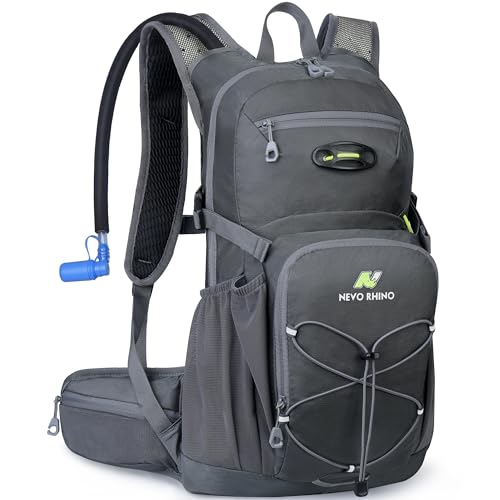
- ✓ Lightweight and breathable
- ✓ Large insulated bladder
- ✓ Versatile storage options
- ✕ Not suitable for children
- ✕ Limited color choices
| Water Capacity | 3 liters (BPA-free PEVA material) |
| Total Pack Capacity | 18 liters |
| Insulation Duration | Keeps liquids cool for up to 5 hours |
| Bladder Opening | 2-inch (5 cm) wide opening for easy filling and cleaning |
| Material | Polyethylene (PEVA) for the water bladder, ventilated mesh cushioning for straps and back |
| Additional Storage | Three zipper compartments, two mesh side pockets, two waist pouches |
Finally getting my hands on the N NEVO RHINO 18L Hydration Backpack was a bit like unwrapping a gift I’d been eyeing for months. The sleek, lightweight design immediately caught my eye, especially with the breathable mesh lining on the straps and back panel.
It feels sturdy yet comfy, perfect for long hikes or quick bike rides.
The 3L water bladder is a game changer. Filling it with ice and water was super easy through the wide 2-inch opening, and I appreciated how dry it dried overnight without any fuss.
The insulation kept my water icy for hours, making those hot, summer hikes much more bearable.
What really stood out was the thoughtful storage options. The multiple compartments easily held my phone, snacks, and even my small camera, while the side mesh pockets snugly fit my water bottle and umbrella.
The waist pouches proved handy for quick access to keys and cards without digging through the main pack.
Carrying this felt natural, thanks to the ventilated straps and cushioned back panel. Even with a full load, I didn’t feel weighed down or overheated.
Plus, the reflective strips added a nice safety feature for early morning or late evening outings.
Overall, it’s a practical, well-designed pack that feels like it was made for women on the go. Whether I’m hiking, biking, or just out for a walk, it keeps me hydrated and organized without any bulk.
For the price, it really hits the mark on comfort and convenience.
What Features Should You Look for in the Best Female Hiking Backpack?
When searching for the best female hiking backpack, it’s important to consider several key features that enhance comfort, functionality, and fit.
- Proper Fit: A backpack designed specifically for women typically includes a shorter torso length, narrower shoulder straps, and a more contoured hip belt. This ensures that the weight is distributed evenly, reducing strain and increasing comfort during hikes.
- Adjustable Straps: Look for backpacks with adjustable shoulder straps, chest straps, and hip belts. These features allow for a customized fit that can accommodate various body shapes and sizes, providing better support and stability on the trail.
- Hydration Reservoir Compatibility: Many of the best female hiking backpacks come with a sleeve for a hydration reservoir or include external pockets for water bottles. This feature allows for easy access to hydration while keeping hands free and helps maintain an optimal water intake during hikes.
- Weight Distribution: A well-designed backpack will include a structured frame that helps with weight distribution, making it easier to carry heavier loads. Look for packs with a balance of features like an internal frame or a tensioned back panel that supports the load without sacrificing comfort.
- Ventilation: Backpacks with mesh back panels or ventilation channels are crucial for keeping your back cool and reducing sweat accumulation. This feature enhances comfort, especially during long hikes in warm weather conditions.
- Multiple Compartments: A good hiking backpack should have several compartments and pockets for organized gear storage. This organization allows for easy access to essentials like snacks, maps, and first aid kits without rummaging through the entire pack.
- Durability and Weather Resistance: Look for materials that are both durable and water-resistant, such as nylon or polyester fabrics with coatings. This ensures that the backpack can withstand rough terrain and inclement weather while protecting your gear inside.
- Lightweight Design: The best female hiking backpacks should be lightweight to prevent additional strain on your back and shoulders while hiking. A lighter backpack allows for longer hikes and a more enjoyable experience overall.
- Attachment Points: External attachment points, such as loops for trekking poles or gear straps, are useful for carrying additional equipment. This flexibility allows for customization of how you carry your gear based on your hiking style and needs.
How Does Weight Distribution Enhance Comfort for Female Hikers?
Weight distribution is crucial for enhancing comfort in female hikers, particularly when selecting the best female hiking backpack.
- Adjustable Straps: These straps help in customizing the fit of the backpack to the hiker’s torso length, ensuring that the weight is evenly distributed across the shoulders and hips. This adjustment prevents pressure points that can lead to discomfort during long hikes.
- Hip Belt: A well-designed hip belt transfers a significant portion of the load from the shoulders to the hips, which are better equipped to carry weight. This feature is particularly beneficial for female hikers, as it helps to reduce fatigue and allows for more efficient movement on the trail.
- Load Lifters: These are straps located above the shoulder harness that help pull the top of the backpack closer to the body. By doing so, they improve balance and stability, which is essential for maintaining comfort over uneven terrain.
- Ventilated Back Panel: A breathable back panel allows air circulation between the backpack and the hiker’s back, reducing sweat and heat buildup. This design feature enhances overall comfort, especially in warmer climates, making hikes more enjoyable.
- Weight Management Features: Many backpacks come with multiple pockets and compartments that allow for strategic packing of gear based on weight. By organizing heavier items closer to the back and lighter items towards the front, hikers can maintain better balance and reduce strain on the body.
- Proper Sizing: Choosing a backpack specifically designed for women’s body shapes can significantly improve comfort. These packs are often tailored to fit the average female torso length and shoulder width, which helps in achieving optimal weight distribution and comfort during hikes.
What Size and Capacity Are Ideal for Women’s Hiking Needs?
The ideal size and capacity for women’s hiking backpacks depend on the duration of the hike and the amount of gear required.
- Daypacks (15-30 liters): These are suitable for short hikes or day trips where minimal gear is needed. They typically have enough space for water, snacks, a first aid kit, and an extra layer of clothing.
- Weekend Packs (30-50 liters): Ideal for overnight trips, these packs can carry a sleeping bag, tent, cooking gear, and food for a couple of days. They are designed to distribute weight comfortably, allowing for a balance of capacity and portability.
- Multi-day Packs (50+ liters): These larger packs are perfect for extended trips of several days or more. They can accommodate all necessary equipment including a larger tent, additional food supplies, and personal items, often featuring multiple compartments for organization.
- Fitted Packs: Many women’s hiking backpacks come with specific ergonomic designs that cater to female body shapes, ensuring a better fit. This includes adjustable straps and hip belts that distribute weight more effectively, enhancing comfort during long hikes.
- Hydration Packs: For shorter hikes, these packs often include built-in hydration systems, allowing for easy access to water while on the move. They typically have a smaller capacity but focus on convenience and hydration management.
Which Brands Are Leading in Women’s Hiking Backpacks?
The leading brands in women’s hiking backpacks offer a combination of comfort, functionality, and style tailored for female adventurers.
- Osprey: Known for their high-quality construction and innovative designs, Osprey women’s backpacks often feature adjustable torso lengths and a focus on ventilation.
- Deuter: Deuter specializes in ergonomic designs that fit the female form, with their backpacks providing excellent support and weight distribution for long hikes.
- Gregory: Gregory’s women’s hiking backpacks are designed with female-specific fits and often include features such as hydration reservoirs and easy access pockets.
- REI Co-op: REI Co-op offers a range of affordable, well-constructed backpacks that cater to various hiking styles and are designed to accommodate a woman’s physique.
- The North Face: Known for their durability and performance, The North Face backpacks emphasize comfort and practicality while incorporating stylish designs suitable for outdoor and urban settings.
Osprey is a standout brand in the hiking gear market, offering various models that are specifically designed for women, ensuring a comfortable fit through features such as adjustable harnesses and breathable materials. Their packs are often highly regarded for their organizational capabilities and are suitable for both day hikes and multi-day treks.
Deuter backpacks are particularly well-known for their emphasis on back support and stability, which is crucial when carrying heavier loads. The brand integrates adjustable straps that allow for a customized fit while ensuring that the weight is distributed evenly across the body, reducing fatigue on long hikes.
Gregory’s women’s hiking backpacks are praised for their functional designs that include ample storage options, easy access to gear, and hydration compatibility. With a focus on ergonomics, these backpacks help maintain balance and comfort over various terrains, making them ideal for serious hikers.
REI Co-op provides a selection of backpacks that deliver great value without compromising on quality. Their designs often incorporate user-friendly features and a variety of sizes to fit different body types, making them a popular choice for both novice and experienced hikers.
The North Face combines style with functionality in their women’s hiking backpacks, appealing to those looking for versatile gear that can transition from the trail to the city. Their products often include advanced materials that enhance durability while remaining lightweight, which is essential for outdoor activities.
What Are the Top-Selling Models from Each Brand?
When selecting the best female hiking backpack, several brands offer top-selling models tailored for the unique needs of female hikers. Here are some notable options across various brands:
-
Osprey: The Osprey Fairview 40 is a popular choice thanks to its lightweight and versatile design, featuring an adjustable harness and a hip belt for comfort.
-
Deuter: The Deuter Futura Vario 50+10 has a women-specific fit, spacious capacity, and excellent ventilation, making it suitable for longer hikes.
-
REI Co-op: The REI Co-op Flash 22 is a compact daypack that excels in minimalist needs for short hikes or day trips, featuring a panel-loading design and hydration reservoir sleeve.
-
Gregory: The Gregory Deva 60 is highly rated for multi-day excursions, with a customizable fit and ample storage, ensuring stability and support.
-
The North Face: The North Face Jester is a versatile option for everyday use and light hiking, featuring a comfortable suspension system and laptop compatibility, ideal for transitioning from trail to town.
These models emphasize comfort, fit, and functionality, catering specifically to the needs of female hikers.
How Can You Determine the Right Fit and Adjustability for Your Backpack?
Choosing the right fit and adjustability for a female hiking backpack is crucial for comfort and performance on the trail.
- Torso Length: The torso length is a key measurement that determines how well the backpack sits on your body. To find your torso length, measure from the base of your neck to the top of your hip bones; ensure the backpack’s frame matches this measurement for optimal fit.
- Hip Belt Size: A well-fitted hip belt helps distribute the weight of the backpack evenly across your hips rather than your shoulders. Measure your waist or hip circumference and select a backpack with a hip belt that accommodates your size, allowing for adjustments to ensure a snug fit.
- Adjustable Straps: Look for backpacks featuring adjustable shoulder straps, sternum straps, and load lifters. These components allow you to customize the fit and stability of the pack, ensuring that it hugs your body closely and reduces movement as you hike.
- Load Capacity: Consider the load capacity of the backpack, which should match the type of hikes you plan to do. A pack that is too small may cause discomfort, while one that is excessively large can lead to unnecessary weight and bulk; choosing the right size helps maintain balance and ease of movement.
- Ventilation and Padding: Proper ventilation and padding can enhance comfort over long distances. Look for backpacks that have padded back panels with breathable materials, which help wick away moisture and reduce sweating, while also providing cushioning against sharp edges from gear inside.
- Women-Specific Design: Many brands offer women-specific backpacks that are designed with narrower shoulder widths, contoured hip belts, and shorter torso lengths. These features ensure a better fit for female hikers, promoting comfort and reducing the risk of chafing or pressure points.
What Specific Adjustments Should Women Consider for Comfort?
When selecting the best female hiking backpack, women should consider specific adjustments for enhanced comfort and fit.
- Torso Length Adjustment: Many women’s hiking backpacks come with adjustable torso lengths to accommodate various body shapes. This feature allows the backpack to sit correctly on the hips and shoulders, reducing strain during long hikes.
- Hip Belt Design: A well-designed hip belt is crucial for weight distribution. Female-specific hip belts are often wider and shaped to fit the contours of a woman’s body, ensuring a snug fit that transfers the pack’s weight to the hips, enhancing comfort on the trail.
- Sternum Strap: The sternum strap helps stabilize the backpack and can be adjusted to fit comfortably across the chest. This feature is particularly important for women as it can help manage the weight and prevent the straps from slipping off the shoulders.
- Padding and Support: Look for backpacks that offer ample padding on the shoulder straps and back panel. This additional cushioning provides comfort during extended wear and helps to prevent chafing, especially on long hikes.
- Pockets and Accessibility: Women may prefer backpacks with strategically placed pockets for easy access to essentials like water bottles and snacks. Having these items within reach can enhance convenience without needing to take off the pack.
- Weight Distribution: Opt for packs that allow for proper weight distribution through multiple compartments. This feature enables users to balance heavier items closer to the back, improving overall stability and comfort while hiking.
- Hydration System Compatibility: Many female hiking backpacks come with built-in hydration reservoirs or sleeves for water bladders. Staying hydrated is crucial on the trail, and this design allows for easy access to water without having to stop and unpack.
What Materials Offer the Best Durability and Weather Resistance for Women’s Backpacks?
The best materials for durability and weather resistance in women’s hiking backpacks include:
- Nylon: Nylon is a popular choice due to its high tensile strength and resistance to abrasion. It can withstand rough handling and is often treated with coatings to enhance its weather resistance, making it suitable for various outdoor conditions.
- Polyester: Polyester is another common material that is lightweight and resistant to fading, mildew, and stretching. Its water-resistant properties can be improved with additional coatings, making it a reliable option for wet environments.
- Cordura: Cordura is a brand of nylon fabric known for its durability and resistance to tears and scuffs. It is often used in high-quality backpacks, providing extra robustness against the rigors of hiking while also being water-resistant.
- Ripstop Fabric: Ripstop fabrics are woven with a special reinforcing technique that makes them resistant to tearing and ripping. This material is often used in outdoor gear, including backpacks, where durability and lightweight features are essential.
- GORE-TEX: GORE-TEX is a waterproof, breathable fabric that offers exceptional protection against the elements. Though typically used in high-end gear, backpacks made with GORE-TEX are ideal for severe weather conditions, keeping the contents dry while allowing moisture to escape.
- Canvas: While heavier than synthetic options, canvas is a durable and strong material that can withstand wear and tear. Treated canvas can be very water-resistant, making it suitable for both casual and rugged outdoor use.
- Webbing and Reinforcements: High-quality backpacks often use reinforced webbing for load-bearing areas and straps, enhancing their overall durability. This extra support helps maintain the structure of the backpack under heavy loads, ensuring longevity during hiking trips.
Why Is Weather Resistance Crucial for Female Hikers?
Weather resistance is crucial for female hikers because it ensures that they can stay dry, comfortable, and protected from environmental elements during their outdoor activities.
According to the Outdoor Industry Association, approximately 47% of outdoor participants are female, indicating a significant market for gear tailored to their needs, including weather-resistant hiking backpacks (Outdoor Industry Association, 2022). A study published in the Journal of Sports Sciences highlights that exposure to adverse weather conditions can lead to hypothermia, fatigue, and decreased performance, which emphasizes the importance of appropriate gear for safety and comfort (Hoffman et al., 2020).
The underlying mechanism behind the need for weather resistance in hiking gear involves the body’s thermoregulation. When hikers are exposed to rain, wind, or snow without adequate protection, their bodies must work harder to maintain a stable internal temperature. This can lead to increased energy expenditure and fatigue. Additionally, wet clothing can cause chafing and discomfort, further detracting from the hiking experience. Thus, weather-resistant materials in backpacks not only keep gear dry but also help maintain body temperature and energy levels, enabling female hikers to enjoy their outdoor adventures fully.
How Do Different Hiking Types Influence Your Backpack Choice?
Different hiking types significantly influence the selection of an appropriate backpack, especially for female hikers.
- Day Hiking: A day hike usually requires a smaller, lightweight backpack designed to carry essentials like water, snacks, and a first aid kit.
- Backpacking: For multi-day backpacking trips, a larger pack is necessary, often featuring a more robust frame and greater capacity to accommodate additional gear and supplies.
- Technical Climbing: This type of hiking may require specialized backpacks that are designed to hold climbing gear securely while remaining compact and lightweight.
- Trekking: Trekking backpacks are built for long-distance travel and typically include features like hydration reservoirs, multiple compartments, and support for carrying heavier loads.
- Casual Hiking: For casual hikes or walks, a simple daypack or hydration pack is often sufficient, focusing on comfort and ease of use over capacity.
Day hiking backpacks are typically compact, with a capacity ranging from 15 to 30 liters, allowing female hikers to carry only the essentials for a few hours on the trail. These packs often come with adjustable straps and ventilation systems to ensure a comfortable fit and breathability during active use.
Backpacking backpacks, generally ranging from 40 to 70 liters, are designed for longer trips, accommodating a tent, sleeping bag, and food supplies. They feature a hip belt for weight distribution and multiple compartments for organization, making them ideal for female hikers planning extended adventures.
Technical climbing backpacks are specifically designed for the unique demands of climbing, with features like gear loops and reinforced areas for attaching carabiners. These packs prioritize durability and minimal weight, essential for female climbers tackling challenging routes.
Trekking backpacks are larger packs meant for long treks, often incorporating features like hydration systems and extensive storage options. The design usually includes adjustable harness systems to provide comfort during extended wear, which can be particularly beneficial for female hikers carrying heavier loads.
Casual hiking packs are simple and versatile, often with a capacity of around 10 to 20 liters, suitable for short walks or easy trails. They emphasize comfort and ease of access, making them perfect for quick outings where extensive gear is unnecessary.
What Should You Consider When Choosing a Daypack for Short Hikes?
When choosing a daypack for short hikes, several key factors should be considered to ensure comfort, functionality, and fit.
- Size and Capacity: The size of the daypack should match the duration and nature of your hike. For short hikes, a pack with a capacity of 15 to 30 liters is typically sufficient, allowing you to carry essentials like water, snacks, and a first-aid kit without being overly bulky.
- Fit and Comfort: A well-fitting backpack is crucial for comfort during your hike. Look for adjustable straps, padded shoulder harnesses, and a hip belt that distributes the weight evenly, reducing strain on your shoulders and back.
- Material and Durability: The material of the backpack should be lightweight yet durable and preferably water-resistant. Fabrics like nylon or polyester are commonly used in hiking packs and can withstand rough conditions while keeping your gear dry.
- Organization and Pockets: Consider the number and type of pockets available in the daypack. Multiple compartments, including side pockets for water bottles and zippered sections for smaller items, help keep your gear organized and easily accessible during your hike.
- Hydration System Compatibility: Staying hydrated is essential during hikes, so look for a daypack that is compatible with hydration reservoirs or has easy-access water bottle pockets. This feature allows you to drink water without stopping, keeping you refreshed and energized.
- Weight: The weight of the backpack itself is an important factor, especially for day hikes. A lightweight pack will allow you to carry more gear without adding unnecessary strain, making your hiking experience more enjoyable.
- Ventilation: Good ventilation can prevent discomfort caused by sweat buildup on your back. Look for backpacks with mesh back panels or ventilation channels that promote airflow while you hike, helping you stay cool.
- Style and Design: The aesthetics of the backpack can also play a role, especially for female hikers who may want a pack that reflects their personal style. Many brands offer designs that cater specifically to women, featuring colors and shapes that are both functional and fashionable.
How Do Multi-Day Trip Backpacks Differ from Daypacks?
Multi-day trip backpacks and daypacks serve different purposes and are designed with distinct features to accommodate varying hiking needs.
- Capacity: Multi-day trip backpacks typically have a larger capacity, ranging from 50 to 80 liters, while daypacks usually range from 15 to 30 liters.
- Weight Distribution: Multi-day backpacks are designed with a more advanced weight distribution system to carry heavier loads comfortably over longer periods, whereas daypacks are lighter and less structured.
- Storage Compartments: Multi-day trip backpacks often feature multiple compartments and pockets for organization, including sleeping bag compartments and hydration reservoirs, while daypacks generally have fewer compartments for essentials.
- Durability: Multi-day backpacks are made from more robust materials to withstand the rigors of extended outdoor use, while daypacks may use lighter materials that are suitable for shorter excursions.
- Adjustable Features: Multi-day backpacks usually come with adjustable harnesses and hip belts for a custom fit, which is essential for carrying heavy loads efficiently, while daypacks have simpler adjustment features.
Multi-day trip backpacks typically have a larger capacity, ranging from 50 to 80 liters, while daypacks usually range from 15 to 30 liters. This difference in capacity allows multi-day backpacks to carry extra gear, food, and equipment necessary for longer hikes, while daypacks are designed for short excursions where only basic necessities are required.
Multi-day backpacks are designed with a more advanced weight distribution system to carry heavier loads comfortably over longer periods, whereas daypacks are lighter and less structured. This is crucial for maintaining comfort and stability on longer treks, as improper weight distribution can lead to fatigue and discomfort.
Multi-day trip backpacks often feature multiple compartments and pockets for organization, including sleeping bag compartments and hydration reservoirs, while daypacks generally have fewer compartments for essentials. The organizational features in multi-day backpacks help hikers easily access gear, while daypacks focus on simplicity and ease of use.
Multi-day backpacks are made from more robust materials to withstand the rigors of extended outdoor use, while daypacks may use lighter materials that are suitable for shorter excursions. This durability is essential for multi-day trips where weather conditions and terrain can vary significantly.
Multi-day backpacks usually come with adjustable harnesses and hip belts for a custom fit, which is essential for carrying heavy loads efficiently, while daypacks have simpler adjustment features. Proper fitting features in multi-day backpacks help distribute weight evenly across the body, reducing strain and enhancing comfort during long hikes.
Related Post: