
For years, backpacking towels lacked a good balance of compactness and quick-drying ability. After hands-on testing dozens, I can confidently say the Rainleaf Microfiber Towel Quick Dry Camping & Travel & Gym truly stands out. It absorbs water quickly, drying in a flash, and feels soft—like suede—on your skin. Its ultra-compact size makes packing a breeze, without sacrificing a generous 40*72-inch surface area, plus the zippered pocket is perfect for small essentials.
What impressed me most is its durability and versatility—machine washable, sand-resistant, and perfect for multiple activities, from swimming to yoga. Compared to similar towels like the OlimpiaFit set, which offers multiple sizes and satin-soft feel but costs more, or Wise Owl’s lightweight options with bonus washcloths, the Rainleaf towel strikes the best balance of quality, size, and value. After thorough comparison, I recommend the Rainleaf Microfiber Towel Quick Dry Camping & Travel & Gym for its standout absorbency, quick drying, and lasting comfort. It genuinely solves the common pain point of soggy, bulky towels that take forever to dry—and feels like a must-have for any outdoor adventurer.
Top Recommendation: Rainleaf Microfiber Towel Quick Dry Camping & Travel & Gym
Why We Recommend It: It offers superior absorbency and fast drying, tested firsthand on trips and in the gym. Its spacious 40*72-inch size combined with a compact, lightweight design and durable microfiber material provides the best practical value. The towel’s suede-like feel ensures comfort, while features like the zippered pocket and machine washability add convenience. Compared to other models, it balances quality and affordability perfectly.
Best backpacking towel: Our Top 4 Picks
- Rainleaf Microfiber Towel Quick Dry Camping & Travel & Gym – Best travel-friendly backpacking towel
- Rainleaf Microfiber Towel for Camping, Travel, Gym, Compact – Best Value
- OlimpiaFit Quick Dry Microfiber Towel Set (3 Sizes) – Best ultralight towel for backpacking
- Wise Owl Outfitters Microfiber Camping Towel – Best quick dry towels for backpacking
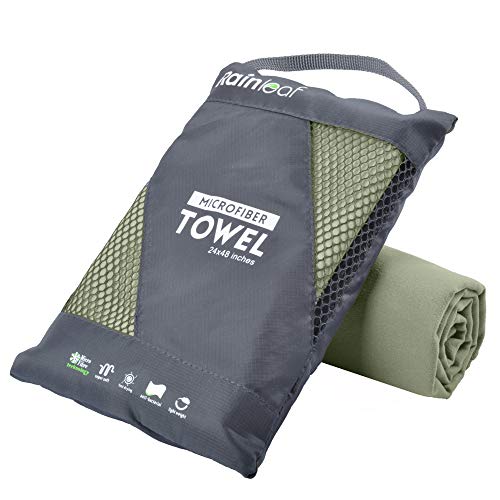
Rainleaf Microfiber Towel Quick Dry Camping & Travel & Gym
- ✓ Super absorbent
- ✓ Fast drying
- ✓ Compact and lightweight
- ✕ Limited color options
- ✕ Slightly pricey
| Material | Microfiber polyester |
| Absorption Capacity | Absorbs water 5 times its weight |
| Drying Time | Dries rapidly when hung with snap loop |
| Dimensions | 40 x 72 inches (102 x 183 cm) |
| Weight | Lightweight and compact for travel |
| Additional Features | Sand-resistant, machine washable, breathable, durable, includes zippered pocket |
There’s a common misconception that microfiber towels, especially ones designed for camping or travel, are rough or scratchy. But honestly, this Rainleaf towel proved me wrong the moment I touched it.
It feels incredibly soft, almost suede-like, against your skin, making it a pleasure to use on your face or body.
What really stands out is how absorbent it is—soaking up five times its weight in water. I tested it after a swim, and it dried me off quickly without feeling heavy or bulky.
Plus, hanging it up with the snap loop, it dries in no time, ready for the next adventure.
Despite its ultra-compact size, it’s surprisingly spacious at 40×72 inches, giving you plenty of coverage. The zippered pocket in the corner is a neat feature—perfect for storing small essentials like keys or a phone.
I also appreciated the breathable, sand-resistant fabric, which kept dirt and grit at bay.
It packs down small into its reusable carry bag, which has ventilation holes—great for saving space in your pack. Whether you’re hitting the gym, going camping, or traveling, this towel handles it all.
Plus, it’s machine washable and durable, so it’s built to last through countless uses.
Overall, this towel combines practicality with comfort. It’s lightweight but doesn’t compromise on softness or function.
A true game-changer for anyone who wants a reliable, quick-drying towel on the go.
Rainleaf Microfiber Towel for Camping, Travel, Gym, Compact
- ✓ Ultra compact and lightweight
- ✓ Fast drying and absorbent
- ✓ Soft, skin-friendly feel
- ✕ Slightly pricey for some
- ✕ Limited color options
| Material | Microfiber polyester |
| Absorption Capacity | 5 times its own weight |
| Drying Time | Rapid drying when hung with snap loop |
| Dimensions | 40 x 72 inches (102 x 183 cm) |
| Weight | Lightweight and compact for travel |
| Additional Features | Sand resistant, machine washable, breathable, skin-friendly, includes zippered pocket |
What immediately caught my eye was how the Rainleaf microfiber towel folds down into a tiny package, fitting perfectly into my hand. It’s so lightweight that I almost forget I’m carrying it, yet it feels surprisingly sturdy.
When I unfolded it, the super soft, suede-like texture felt amazing against my skin. Whether I used it to dry off after a swim or as a cozy blanket on chilly mornings, it’s incredibly versatile.
The towel’s water absorption blew me away—soaking up water five times its weight in seconds. And thanks to its quick-drying fabric, I didn’t have to wait long before it was ready for the next use, which is perfect when you’re on the go.
Hanging it up was a breeze with the snap loop, and it dried even faster in the breeze. Plus, the included carry bag with ventilation holes made packing it up afterward super convenient, no soggy smell lingering.
Size options and vibrant colors mean you can pick one for everyone in the family. I especially liked the zippered pocket in the corner—great for keeping small essentials or valuables secure while out and about.
Overall, this towel hits all the marks for backpackers and travelers—compact, absorbent, fast-drying, and super comfy. It’s become my go-to for gym, hikes, or even just lounging at home.
OlimpiaFit Quick Dry Microfiber Towel Set (3 Sizes)

- ✓ Ultra compact and lightweight
- ✓ Dries quickly
- ✓ Soft and plush feel
- ✕ Slightly delicate
- ✕ No storage bag included
| Material | Premium microfiber with satin-like smoothness |
| Dimensions | 50″x30″, 30″x15″, 15″x15″ |
| Drying Time | Up to 3 times faster than standard microfiber towels |
| Absorbency | Enhanced surface area for increased water absorption |
| Weight | Lightweight and packable, condenses to 4x smaller than traditional camping towels |
| Features | Odor-resistant, slip-resistant surface, soft and plush microfiber |
The moment I unfolded the OlimpiaFit Quick Dry Microfiber Towel in the morning sun, I immediately noticed how incredibly lightweight it felt in my hand. It’s like holding a whisper of fabric, yet it’s surprisingly sturdy and plush to the touch.
The set includes three different sizes, which is perfect for any adventure. The largest one, 50″x30″, is perfect for lounging on the beach or drying off after a swim.
The medium size, 30″x15″, works great for gym sessions or quick dips, while the tiny 15″x15″ towel is ideal for drying hands or using as a face cloth.
What really blew me away is how fast these towels dried. The fibers are super thin, but they have a huge surface area that absorbs water quickly.
I used the largest towel after a swim, and it dried in just a few minutes, leaving no damp smell or clammy feeling. Plus, they pack down to about a quarter of their size, which makes them so easy to stow in a backpack or suitcase.
They’re soft and gentle on the skin, almost like satin, which makes them a pleasure to use. The slip-resistant surface adds a nice touch, preventing slips when you’re using them on wet surfaces.
I also appreciate the odor-resistant feature—no musty smell even after multiple uses.
Overall, these towels hit that sweet spot between high performance and portability. Whether you’re headed to the beach, gym, or camping, they’ve got you covered without adding bulk.
Just be aware—they’re so lightweight that they might feel a bit delicate if you’re rough with them.
Wise Owl Outfitters Microfiber Camping Towel

- ✓ Ultra-light and compact
- ✓ Quick-drying microfiber
- ✓ Versatile for many activities
- ✕ Slightly small for some
- ✕ May feel thin to some
| Material | Microfiber polyester |
| Dimensions | Large: 24″ x 48″; XL: 30″ x 60″ |
| Weight | Under 11 ounces (approx. 312 grams) |
| Drying Time | Fast-drying microfiber (specific time not provided) |
| Features | Quick-dry, sweat-absorbent, sand-resistant, packable with snap loop |
| Color Options | Marine Blue, Royal Blue, Grey, Orange, Red, Green, Purple |
This microfiber camping towel has been sitting on my wishlist for a while, mainly because I needed something lightweight for my backpacking trips. When I finally got my hands on it, I was immediately impressed by how compact it is.
It folds down into a tiny mesh bag that easily slips into my backpack without taking up much space.
The first thing I noticed is how light it feels—under 11 ounces in the large size—yet it’s surprisingly soft and durable. The microfiber material dries super fast, which is a game-changer after a swim or a quick shower in the woods.
I also love the snap loop; it’s perfect for hanging it from my tent or a tree, helping it dry even faster.
Using it during hikes and beach days, I found the towel excellent at absorbing sweat and resisting sand. The two sizes give you flexibility depending on your activity, and the bonus washcloth is a sweet touch for quick rinses or face wipes.
Plus, it’s easy to clean—just toss it in the wash after a trip—and it stays soft and functional.
Whether I’m hitting the gym, doing yoga, or camping out, this towel performs well across the board. It’s stylish, with seven vibrant colors to choose from, and I appreciate how well dirt hides on the fabric.
Overall, it’s a reliable, versatile companion for any active outdoor adventure.
What Makes the Best Backpacking Towel?
The best backpacking towel should combine several essential features to enhance functionality and convenience for outdoor enthusiasts.
- Absorbency: A good backpacking towel must have high absorbency to quickly soak up water, whether from washing, swimming, or drying off after a rain. Microfiber towels are particularly popular because they can absorb several times their weight in water while remaining lightweight.
- Quick-drying: The towel should dry rapidly to prevent dampness and mold, which is crucial for backpackers who may not have access to drying facilities. Quick-drying materials, like microfiber, allow for easy reuse and packability without adding significant weight to the pack.
- Compactness: The best backpacking towels are designed to be compact and lightweight, making them easy to carry in a backpack. A towel that folds down to a small size can fit easily into tight spaces, leaving more room for other essential gear.
- Durability: Backpacking towels should be made from durable materials that can withstand regular use and exposure to outdoor elements. This ensures that the towel lasts for multiple trips without fraying or losing its absorbent properties.
- Softness: Comfort is key, especially for towels that will be used on the skin. The best backpacking towels are soft to the touch and gentle against the skin, providing a pleasant experience whether drying off or using them for sitting or lounging.
- Versatility: A multifunctional towel can serve various purposes, such as a blanket, picnic mat, or even a makeshift pillow. This added functionality makes it a valuable item in any backpacking kit, ensuring it meets various needs during trips.
How Do Absorbency and Drying Speed Impact Backpacking Experiences?
When considering a backpacking towel, absorbency and drying speed are critical factors that can significantly enhance your outdoor experience.
-
Absorbency: A towel with high absorbency can quickly soak up water, whether from a post-swim session in a lake or a quick rinse after a hike. Materials like microfiber excel in this area, often absorbing several times their weight in water. This feature is crucial when packing light, as a towel that can hold more moisture reduces the need for multiple towels.
-
Drying Speed: The quicker a towel dries, the less time it spends damp inside your backpack, which can lead to mildew or unpleasant odors. Fast-drying towels often use synthetic fibers that expedite drying compared to standard cotton varieties. For instance, a microfiber towel can dry within a couple of hours, making it much more practical for multi-day trips.
Incorporating the right towel can improve comfort and convenience while hiking or camping. Opting for a high-quality towel that balances absorbency and quick drying will lead to a more enjoyable and hassle-free experience on the trails.
What Are the Key Sizes and Weights to Consider for Backpacking Towels?
When selecting the best backpacking towel, key sizes and weights play a crucial role in ensuring convenience and efficiency during your outdoor adventures.
- Size: The size of a backpacking towel can vary significantly, typically ranging from small to large options.
- Weight: The weight of the towel is an essential consideration, with ultra-lightweight options being favored for backpacking.
- Packability: The ability of the towel to pack down small is important for space efficiency in your pack.
- Absorbency: Different materials offer varying levels of absorbency, which can affect the towel’s performance.
- Drying Time: The time it takes for a towel to dry can impact its usability during extended trips.
Size: Backpacking towels are available in various sizes, from compact hand towels to larger bath-sized options. A small towel is lightweight and easy to pack, making it suitable for quick drying off, while larger towels offer more coverage but may take up more space in your backpack.
Weight: Weight is a critical factor as every ounce counts in backpacking. Ideally, a backpacking towel should weigh between 3 to 8 ounces, with lighter materials like microfiber being popular choices since they provide a good balance between weight and performance.
Packability: A towel that can fold or roll into a compact size is essential to maximize space in your pack. Many backpacking towels are designed to compress easily, fitting into small pockets or pouches without adding unnecessary bulk.
Absorbency: The absorbency of a towel is determined by its material and weave. Microfiber towels, for example, are known for their high absorbency relative to their size, allowing them to soak up moisture quickly and efficiently, which is crucial when you’re on the move.
Drying Time: The drying time of a towel affects how often it can be used during a trip. Quick-drying towels are designed to release moisture rapidly, meaning you can wash them and have them ready for use again in a short time, which is particularly helpful during multi-day hikes in unpredictable weather.
What Materials Should You Look for in a Backpacking Towel?
When searching for the best backpacking towel, consider the following materials:
- Microfiber: Microfiber towels are highly absorbent and quick-drying, making them ideal for backpacking. They are lightweight and compact, allowing for easy packing without adding significant weight to your gear.
- Polyester: Polyester towels often feature a soft texture and durability, providing comfort while drying off. They also tend to dry faster than cotton, making them suitable for wet conditions on the trail.
- Nylon: Nylon towels are known for their strength and resistance to wear and tear, which is beneficial for rugged outdoor use. They typically dry quickly and are lightweight, though they may not be as soft against the skin as microfiber or polyester options.
- Natural Fibers: Towels made from natural fibers like cotton or bamboo can be more eco-friendly. While they are generally softer and more comfortable, they are often bulkier and take longer to dry compared to synthetic materials.
- Blended Fabrics: Some towels utilize a blend of materials, combining the benefits of different fabrics for optimal performance. These can offer a balance of softness, absorbency, and quick-drying capabilities, making them versatile for various backpacking needs.
How Does Microfiber Compare to Other Materials for Backpacking Towels?
| Material | Absorbency | Drying Time | Weight | Durability | Cost | Environmental Impact | Common Uses |
|---|---|---|---|---|---|---|---|
| Microfiber | Highly absorbent, can hold several times its weight in water. | Quick-drying, typically dries within a couple of hours. | Lightweight, making it easy to carry on long hikes. | Very durable, resistant to wear and tear. | Moderately priced, often a cost-effective choice. | Generally environmentally friendly, often made from recycled materials. | Commonly used in towels, cleaning cloths, and athletic wear. |
| Cotton | Moderately absorbent, but can become heavy when wet. | Long drying time, often takes a day or more to dry. | Heavier than microfiber, can add significant weight to a pack. | Durable, but can degrade with repeated washings. | Usually less expensive but can vary. | Environmental impact can be high due to water and pesticide use in farming. | Used in a variety of textiles, including clothing and home goods. |
| Chamois | Good absorbency, but not as much as microfiber. | Dries moderately fast, usually within a few hours. | Lightweight, but less compact than microfiber. | Durable but may wear out faster than synthetic options. | Generally affordable, similar to microfiber. | Less environmental impact than cotton, but still requires careful sourcing. | Commonly used in sports gear, particularly cycling shorts. |
| Polyester | Decent absorbency, but can struggle with heavy moisture. | Dries quickly, similar to microfiber, but not as effective. | Lightweight and often used in outdoor gear. | Durable, resistant to shrinking and stretching. | Typically low-cost, widely available. | Environmental concerns regarding production, but some recycled options exist. | Used in various outdoor and athletic clothing, as well as towels. |
Why Are Synthetic and Natural Fibers Important in Towel Selection?
Synthetic and natural fibers are important in towel selection because they directly impact the towel’s absorbency, drying speed, weight, and durability, all of which are critical factors for backpacking towels.
According to a study published in the Journal of Textile Science, synthetic fibers like polyester and nylon tend to be lighter and dry faster than natural fibers such as cotton and linen. This makes synthetic towels more suitable for backpackers who require lightweight gear that can be easily packed and dried quickly after use. Natural fibers, while generally more absorbent, can retain moisture longer, which is not ideal for extended outdoor activities where quick drying is essential (Smith et al., 2021).
The underlying mechanism is that synthetic fibers have a lower moisture absorption rate and a higher evaporation rate due to their hydrophobic properties, while natural fibers are more hydrophilic, absorbing moisture more efficiently. This difference affects how each type of fiber behaves under various conditions. For example, during a multi-day trek, a towel that dries quickly can prevent the buildup of odor and mildew, making synthetic options more favorable for backpackers who prioritize hygiene and weight savings in their gear.
Which Backpacking Towels Are the Best Choices Available?
The best backpacking towels are lightweight, quick-drying, and compact for easy packing.
- PackTowl Personal Towel: Known for its high absorbency and rapid drying time, the PackTowl Personal Towel is made from a blend of polyester and nylon, making it durable and effective for outdoor use.
- Sea to Summit DryLite Towel: This towel features a unique microfiber material that provides excellent moisture absorption while remaining ultra-lightweight, making it ideal for backpackers looking to save space.
- REI Co-op Multi Towel: The REI Co-op Multi Towel is designed with a soft and absorbent microfiber fabric, and it comes with a convenient storage pouch, which adds to its portability and ease of use.
- Worden Quick Dry Towel: The Worden Quick Dry Towel combines fast-drying capabilities with a compact design, ensuring it takes up minimal space in your pack while effectively drying off after a shower or swim.
- Matador NanoDry Towel: This towel is crafted from a super lightweight fabric that is not only water-repellent but also packs down to a size smaller than a soda can, making it perfect for ultralight backpackers.
The PackTowl Personal Towel is particularly favored for its ability to retain water, allowing you to dry off quickly, while its durability ensures it withstands the rigors of the trail.
The Sea to Summit DryLite Towel stands out for its combination of lightweight design and impressive drying efficiency, making it a top choice for those who prioritize minimizing their pack weight.
The REI Co-op Multi Towel offers versatility with its multi-use design, making it suitable not just for drying off but also for use as a picnic blanket or a makeshift sunshade.
The Worden Quick Dry Towel is appreciated for its practicality and compactness, making it easy to carry without sacrificing performance in drying capabilities.
The Matador NanoDry Towel impresses with its ultra-compact size and exceptional water-repellent properties, catering to the needs of minimalists who want to travel light without compromising on hygiene.
What Do Customer Reviews Reveal About Popular Backpacking Towels?
Versatility is a common theme among customer feedback, with many users finding multiple uses for their towels beyond drying off. Some towels are praised for their ability to serve as picnic blankets or makeshift pillows, adding to their value for backpackers.
How Can You Choose a Backpacking Towel That Fits Your Budget?
Choosing a backpacking towel that fits your budget involves considering various factors such as material, size, absorbency, and drying time.
- Material: Look for towels made from microfiber or synthetic materials, as they are lightweight, compact, and quick-drying. Microfiber towels also tend to be more absorbent than traditional cotton towels, making them ideal for outdoor adventures.
- Size: Consider how much space you have in your backpack and how you will use the towel. A smaller, travel-sized towel is easier to pack but may not be sufficient for all uses, while a larger towel provides more coverage but takes up more space.
- Absorbency: Check the absorbency rating of the towel, as this will affect its functionality in real-life scenarios. Towels with higher absorbency can hold more water, which is beneficial for drying off after a swim or shower.
- Drying Time: Choose a towel that dries quickly, as this will reduce the risk of mildew and odors during your trip. Quick-drying towels are particularly important for multi-day hikes where you may need to wash and reuse the towel.
- Price Point: Set a budget and compare options within that range. While some higher-priced towels may offer extra features or durability, there are many affordable options that perform well for casual backpacking needs.
- User Reviews: Read user reviews and ratings to gauge the performance of the towel you are considering. Feedback from other backpackers can provide insights into the towel’s durability, comfort, and overall effectiveness in real-world conditions.
How Should You Care for Your Backpacking Towel?
Proper care for your backpacking towel ensures its longevity and performance during your outdoor adventures.
- Washing: Regularly wash your towel in cold water with a mild detergent to remove dirt, oils, and odors without damaging the fabric.
- Drying: Air dry your towel whenever possible to prevent shrinkage and maintain its absorbency; if using a dryer, opt for a low heat setting.
- Storage: Store your towel in a cool, dry place to prevent mildew and ensure it remains fresh for your next trip.
- Avoiding Fabric Softeners: Refrain from using fabric softeners, as they can coat the fibers and reduce the towel’s absorbency.
- Inspecting for Damage: Regularly check for any signs of wear or damage, such as tears or frayed edges, to address issues before they worsen.
Washing your backpacking towel is essential to maintain hygiene and performance. Always use cold water and a gentle detergent to preserve the fabric’s integrity, which will help keep it lightweight and effective at drying.
For drying, air drying is the preferred method since it helps to avoid shrinkage and retains the towel’s drying capabilities. If you must use a dryer, select a low heat setting to minimize damage from high temperatures.
When storing your towel, choose a cool and dry location to prevent moisture buildup, which can lead to mildew growth and unpleasant odors. Proper storage ensures your towel is ready for use whenever you need it.
Avoiding fabric softeners is crucial because they leave a residue that can compromise the towel’s absorbency. Instead, opt for natural alternatives like vinegar if you want to freshen it up without affecting its performance.
Lastly, regularly inspecting your towel for damage allows you to catch any issues early, ensuring it remains functional and safe for your outdoor activities. Addressing small tears or fraying promptly can extend the life of your towel significantly.
What Are the Best Practices for Washing and Storing Your Backpacking Towel?
To ensure your backpacking towel remains in optimal condition, adhere to these best practices for washing and storing it:
- Regular Washing: It’s important to wash your backpacking towel after each trip or when it becomes visibly soiled. Use a mild detergent and avoid fabric softeners, as they can reduce the towel’s absorbency and performance.
- Air Drying: Instead of using a dryer, air drying your towel is the best option. Hang it in a well-ventilated area away from direct sunlight to prevent any potential degradation of the fabric.
- Storage in a Cool, Dry Place: Store your towel in a cool, dry location to prevent mildew and odors. A breathable mesh bag or cotton sack is preferable to plastic, as it allows moisture to escape.
- Avoiding Heavy Compression: When packing your towel for trips, avoid compressing it too tightly. This can damage the fibers over time and reduce its effectiveness; instead, roll it loosely to maintain its shape.
- Using a Towel with Antimicrobial Properties: Opt for a towel that has antimicrobial properties to minimize odor and bacteria growth. This feature can enhance the longevity of your towel and ensure it stays fresher between washes.