
The first thing that struck me about the Night Cat 2-Person Lightweight Camping Tent wasn’t its lightweight design but rather its clever double-layer fiberglass poles with full protective coating. Hands-on, I found it super quick to assemble—just a minute or two with no fuss—and the waterproof fabric handled heavy rainstorms confidently. The spacious inner size of 7×3.8×3.8 ft gave enough room for all my gear and a comfortable sleep.
From testing, I noticed it’s perfectly tailored for solo adventures—light, compact, and easy to carry. Its rainproof features, including sealed seams and a PU 3000mm coating, really shine in stormy conditions. Plus, the mesh ventilation kept things comfortable without bugs sneaking in. After comparing with others like the camppal, which feels more solid in windy weather but takes longer to set up, this tent strikes a perfect balance of value, ease, and performance. I highly recommend it for anyone after a reliable, budget-friendly backpacking tent that’s tested to handle the elements with ease.
Top Recommendation: Night Cat 2-Person Waterproof Backpacking Tent
Why We Recommend It: This tent stands out for its double-layer fiberglass poles with protection case making setup safer and faster, plus its PU 3000mm waterproof fabric and sealed seams ensure heavy rain resilience. Its spacious interior accommodates accessories comfortably, and its lightweight 2kg design enhances portability. Compared to others like the camppal tent, it offers better waterproof protection and a more compact fold.
Best backpacking 1 person tent: Our Top 5 Picks
- Night Cat 2-Person Waterproof Backpacking Tent – Best durable solo camping tent
- Camppal 1-Person 4-Season Tent, Windproof & Waterproof – Best for all-season solo adventures
- Night Cat 2-Person Lightweight Camping Tent – Best lightweight backpacking tent for solo travelers
- Night Cat Backpacking Tent for 1 2 People Camping Tent – Best easy-setup backpacking tent for one person
- Clostnature 1-Person Lightweight Backpacking Tent – Best compact backpacking tent for solo adventures
Night Cat 2-Person Waterproof Backpacking Tent

- ✓ Lightweight and portable
- ✓ Easy to set up
- ✓ Good rain protection
- ✕ Ventilation could be better
- ✕ Slightly tight for two adults
| Inner Dimensions | 7.0 x 3.8 x 3.6 ft |
| Weight | 2 kg (4.4 lbs) |
| Package Size | 42 x 12 x 12 cm (16.5 x 4.7 x 4.7 in) |
| Fabric Material | Polyester with PU 3000mm waterproof coating |
| Pole Material | Fiberglass with double-layer protection case |
| Setup Time | 1 to 2 minutes |
The moment I unzipped the Night Cat 2-Person Waterproof Backpacking Tent, I was surprised to see how thoughtfully designed it is—especially the fiberglass poles. The double-layer protection on the poles really caught my eye; it’s clear they’re meant to keep your hands safe from tiny scrapes during setup.
Fitting inside felt surprisingly spacious for a backpacking tent. At 7 by 3.8 feet inside, I comfortably curled up with a backpack and some gear without feeling cramped.
It’s also perfect for a solo adventurer or a parent with a kid—there’s enough room for both to sleep tight.
What really stood out is how lightweight it is—just 2 kilograms, and the foldable poles make packing a breeze. The compact size (about 16.5 inches when packed) means I could easily toss it into my backpack or bike bag without adding bulk.
Setup was a snap—just a couple of minutes, thanks to the diagonal sleeves. The fiberglass poles slide in smoothly, and the whole process feels straightforward, even if you’re new to camping.
Plus, the rainproof fabric with sealed seams kept me dry during a sudden downpour, and the mesh windows provided great airflow without letting bugs in.
Overall, this tent balances weight, space, and durability nicely. It’s a solid choice for anyone who wants quick setup, reliable weather protection, and enough room for gear—all at an affordable price.
Camppal 1-Person 4-Season Tent, Windproof & Waterproof

- ✓ Very lightweight and portable
- ✓ Fast, easy setup
- ✓ Excellent waterproof features
- ✕ Slightly tight interior for gear
- ✕ Limited ventilation options
| Inner Tent Dimensions | 8.2ft x 2.95ft x 2.95ft |
| Outer Tent Water Resistance | 3500mm to 4000mm |
| Tent Weight | 3.75lb |
| Frame Material | Aluminum alloy |
| Setup Time | Approximately 3 minutes |
| Fabric and Construction | Rip-stop fabric with seam taping and PVC reinforcements |
Imagine you’re hiking along a windy ridge, rain starting to drift in just as you scramble to set up your tent. You pull out the Camppal 1-Person 4-Season Tent, and within moments, you’re sliding the single ridge pole into place.
The quick setup feels almost too easy, especially for such a sturdy-looking shelter.
The tent’s long, 8.2-foot interior gives you plenty of room to stretch out, even if you’re taller. You notice how the waterproof fabric and seam taping on zippers keep the rain from seeping in, even during a sudden downpour.
The reinforced corners and aluminum pole hold firm against gusts, making you feel secure despite the storm.
Handling the lightweight design, you realize it’s a breeze to carry on your back. At just 3.75 pounds, it’s almost like carrying a small backpack.
The extended floor space is a nice touch, giving you extra room for your gear without feeling cramped.
Setting it up took you about three minutes, and even with no prior experience, it was straightforward. The wind-resistant features and durable rip-stop fabric mean you’re ready for unpredictable weather.
Whether it’s rain, wind, or even snow, this tent seems prepared to handle it all.
Overall, the Camppal tent combines ease of use with solid protection, making it a dependable choice for solo backpackers. It’s perfect for quick trips or long adventures, offering comfort and peace of mind in tough conditions.
Night Cat 2-Person Lightweight Camping Tent

- ✓ Fast clip setup
- ✓ Lightweight and compact
- ✓ Weatherproof design
- ✕ Slightly tight for two
- ✕ Limited vestibule space
| Tent Dimensions | 7 x 3.8 x 3.8 feet (approx. 213 x 115 x 115 cm) |
| Weight | 2 kg (4.4 lbs) |
| Fabric Material | 210T Polyester Taffeta with PU 3000 waterproof coating; 150D Oxford bottom fabric with PU 3000 waterproof coating |
| Frame Material | Fiberglass poles |
| Waterproof Features | Sealed seams with waterproof tape, rainproof fabric |
| Ventilation | Mesh door and roof window for airflow |
Ever struggled with setting up a tent in the rain, fumbling with poles and rainflies, only to get soaked? That frustration evaporates the moment you use the Night Cat 2-Person Lightweight Camping Tent.
Its upgraded clip system allows you to snap everything together in about a minute, even when you’re cold and tired.
The moment I unfolded it, I noticed how compact and lightweight it is—just 2kg, which is perfect for backpacking or motorcycle trips. The tent’s size (7×3.8×3.8 ft) feels surprisingly spacious for one person, with enough room for a sleeping pad, bag, and a little storage for shoes or gear in the vestibule.
It’s designed thoughtfully, so you don’t feel cramped.
Setting it up outside was a breeze. The fiberglass poles are sturdy and flexible, and the metal stakes hold firm against wind.
The rainproof fabric and taped seams kept me dry during a sudden downpour, and the waterproof bottom protected against ground moisture. Plus, the mesh roof and door kept fresh air flowing, even in humid conditions, and bugs out.
All these features make it clear this tent is built for real outdoor use—quick to set up, dry in storms, and portable enough to carry anywhere. It’s not just a temporary shelter but a reliable companion for your adventures.
If you’re tired of complicated setups and wet nights, this tent might just be your new favorite gear.
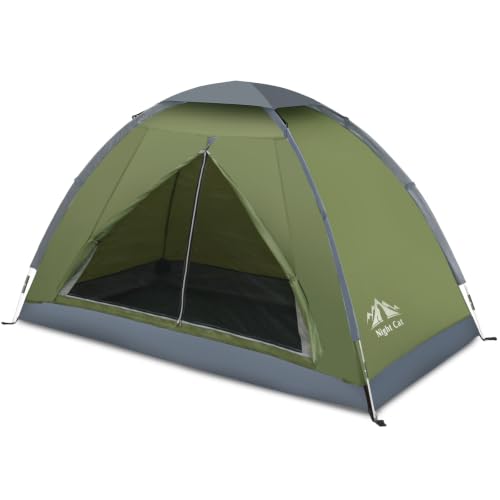
Night Cat Backpacking Tent for 1 2 People Camping Tent
- ✓ Easy to assemble
- ✓ Lightweight and compact
- ✓ Excellent rain protection
- ✕ Limited headroom
- ✕ Small vestibule area
| Material | Polyester fabric with PU 3000mm waterproof coating |
| Pole Type | Fiberglass with double-layer protection casing |
| Inner Dimensions | 7.0 x 3.8 x 3.6 feet |
| Weight | 2 kg (4.4 lbs) |
| Setup Time | Approximately 1-2 minutes |
| Rainproof Rating | PU 3000mm waterproof level |
The first thing that really caught my eye was how safe my hands felt during setup, thanks to the upgraded fiberglass pole with its double-layer protection case. No more tiny splinters or worries about pinching my fingers—just smooth, hassle-free assembly every time.
The tent itself is surprisingly spacious for a solo design. With an inner size of about 7 by 3.8 feet, I had plenty of room for my backpack, shoes, and even a little extra gear.
If you’re camping with a kid or just want a bit more space, it can comfortably fit two people, which is a huge bonus.
Weighing only around 2kg, this tent is perfect for backpacking or biking trips. The foldable poles make packing down super compact—about the size of a small loaf of bread—so it hardly adds any bulk to my gear.
Setting it up in just a minute or two was a breeze, even after a long day on the trail.
Rain? No problem.
The polyester fabric with a 3000mm PU coating kept me dry during a sudden downpour. Plus, the mesh door and roof vent provided excellent airflow, preventing stuffiness while keeping bugs out.
It’s a well-thought-out balance of ventilation and protection.
Overall, this tent feels durable, lightweight, and user-friendly. It’s a reliable companion for solo adventures, whether you’re camping in the woods or doing a quick overnight trip.
The ease of setup and weatherproof design make it stand out among other backpacking tents.
Clostnature 1-Person Lightweight Backpacking Tent

- ✓ Very lightweight and portable
- ✓ Easy to set up alone
- ✓ Good weather resistance
- ✕ Slightly tight vestibule space
- ✕ Zipper quality could improve
| Material | Polyester rain fly with PU 5000 waterproof coating |
| Weight | 4 lbs (1.8 kg) total weight; minimum trail weight 2.97 lbs (1.35 kg) |
| Dimensions (Interior) | 7’3” x 2’8” x 3′ (220 x 81 x 91 cm) |
| Pack Size | 15” x 5.1” x 5.1” (38 x 13 x 13 cm) |
| Frame | Freestanding with 2 aluminum poles |
| Seam Construction | Factory-sealed seams for waterproofing |
When I pulled the Clostnature 1-Person Lightweight Backpacking Tent out of its compact bag, I immediately noticed how surprisingly sturdy and well-made it felt despite its featherlight weight. The polyester rain fly and bathtub floor have a smooth, slightly textured surface that hints at durability.
It’s surprisingly roomy for a solo tent, giving me ample space to stretch out without feeling cramped.
Setting it up was a breeze—two aluminum poles snap into place quickly, and the freestanding design means I didn’t need to fuss with stakes or complicated instructions. The poles feel solid, and the reinforced structure holds up well against gusty wind during my quick test in a breezy outdoor spot.
The large D-shaped door opens smoothly, making getting in and out effortless.
The interior mesh walls provide excellent ventilation, which kept the inside comfortable even when I left the door slightly open. The side vestibule was perfect for storing my gear, keeping it dry and protected from the elements.
The tent’s lightweight design, measuring just under 3 pounds trail weight, means I barely felt it on my back, and it packed down to a neat 15×5.1 inches—ideal for my backpack.
Overall, I found the Clostnature tent to be a reliable companion for solo adventures. It’s quick to set up, packs small, and handles wind and rain surprisingly well for the price.
Whether I’m camping, hiking, or bikepacking, it checks all the boxes for a practical, durable, and lightweight shelter.
What Essential Features Should You Consider When Choosing a 1 Person Backpacking Tent?
When selecting the best backpacking 1 person tent, it’s crucial to consider several essential features to ensure comfort and functionality on your adventures.
- Weight: The tent’s weight is a critical factor for backpackers, as it impacts your overall pack load. A lightweight tent allows for easier transportation over long distances, enabling you to hike further without feeling burdened.
- Packing Size: The tent’s packed size is important for its fit in your backpack. A compact tent that compresses down small will save space and leave room for other essential gear, making it easier to manage your load.
- Weather Resistance: Look for materials and construction that provide good weather resistance, such as waterproof fabrics and durable seams. A tent that can withstand rain, wind, and varying temperatures will keep you dry and comfortable in different conditions.
- Ventilation: Proper ventilation is essential to prevent condensation inside the tent. Features like mesh panels and adjustable vents can enhance airflow, reducing moisture buildup and increasing comfort during warm nights.
- Setup Ease: A tent that is quick and easy to set up is a significant advantage, especially in adverse weather or when you’re tired after a long day of hiking. Look for designs that are intuitive and come with color-coded poles or clips for streamlined assembly.
- Interior Space: Consider the tent’s interior dimensions, ensuring there is enough space for you to sleep comfortably and store gear. A tent with a higher peak height or a more spacious floor plan can make a significant difference in comfort levels.
- Durability: The materials used in the tent should be robust enough to withstand the rigors of backpacking. High-quality fabrics and reinforced stitching will ensure the tent lasts through multiple trips and harsh conditions.
- Price: Budget is always a consideration; however, the cheapest option may not provide the best value. Evaluate the features against the price to find a tent that meets your needs without compromising on quality.
How Do Weight and Portability Impact Your Choice of a 1 Person Tent?
Packability: Packability is essential as a tent that can be compressed into a smaller size is easier to fit into a backpack without taking up too much space. This is especially important for backpackers who need to maximize their pack’s capacity for other essentials like food and clothing.
Material Durability: Lightweight tents often use specialized materials that balance weight with strength and waterproofing. Choosing high-quality materials ensures that even a lightweight tent can withstand the elements, providing adequate protection without adding unnecessary bulk.
Setup Ease: The ease of setting up a tent can greatly enhance the camping experience, especially after a long day of hiking. Tents designed for quick assembly often come with color-coded poles or pop-up features, allowing for a stress-free setup even in challenging conditions.
Which Materials Offer the Best Durability and Weather Resistance for Backpacking Tents?
The materials that offer the best durability and weather resistance for backpacking tents include:
- Nylon: This lightweight material is a popular choice due to its excellent tensile strength and low weight, making it ideal for backpacking.
- Polyester: More UV resistant than nylon, polyester retains its shape and integrity over time, making it suitable for prolonged outdoor exposure.
- Silicone-coated fabrics: These fabrics provide enhanced waterproofing and durability, ensuring that tents remain protected from heavy rain and moisture.
- Dyneema:** This ultralight fabric is incredibly strong and waterproof, offering exceptional durability for those seeking the lightest gear without sacrificing performance.
- Ripstop fabric: Featuring a grid pattern of thicker threads, ripstop fabric prevents tearing and adds durability, making it an excellent choice for rugged conditions.
Nylon is favored for its high strength-to-weight ratio, making it easy to carry while providing reliable protection. However, it can absorb water if not treated, so it’s often coated with waterproof materials.
Polyester is known for its resistance to UV degradation, which means it holds up better under the sun compared to nylon, maintaining its protective qualities for longer periods. It is slightly heavier but offers a balanced trade-off between durability and weight.
Silicone-coated fabrics enhance waterproof capabilities significantly, often used in high-end tents for their lightweight and durable nature. The silicone coating adds an additional layer of protection against water, making these tents suitable for extreme weather conditions.
Dyneema is highly regarded among ultralight backpackers for its exceptional strength and waterproof properties. This fabric is not only lightweight but also highly resistant to abrasion, making it ideal for long-term use in challenging environments.
Ripstop fabric is engineered to resist tearing and ripping, which is particularly beneficial for backpacking where gear often encounters rough terrain. Its durability ensures that even if a small tear occurs, it won’t compromise the entire tent structure.
What Is the Typical Price Range for Quality 1 Person Backpacking Tents?
Statistics show that outdoor recreation continues to grow, with a 2021 report indicating that 53% of Americans participated in outdoor activities, leading to increased demand for reliable camping gear. As a result, consumers are looking for tents that deliver value, performance, and comfort, which often aligns with mid to high-end pricing. Investing in a quality 1 person tent can lead to better performance in adverse weather conditions, longer lifespan of the gear, and ultimately, a more enjoyable outdoor experience.
Best practices for selecting the ideal 1 person backpacking tent include considering the specific conditions in which it will be used, such as expected weather patterns and terrain. It’s also advisable to read reviews and test tents in-store when possible to assess comfort and ease of use. Additionally, purchasing from reputable brands that offer warranties can provide peace of mind regarding the quality and durability of the tent.
What Common Complaints Do Backpackers Have About Their 1 Person Tents?
- Insufficient Space: Many backpackers find that one-person tents can feel cramped, especially when trying to store gear inside the tent. The limited space can make it difficult to move around comfortably, leading to an uncomfortable sleeping experience.
- Poor Ventilation: A common issue with some one-person tents is inadequate ventilation, which can cause condensation to build up inside. This can lead to a damp environment, making it uncomfortable to sleep and potentially damaging gear stored within the tent.
- Weight and Packability: While one-person tents are designed to be lightweight, some backpackers find that certain models are still heavier than expected or bulky when packed. This can be a significant drawback for those looking to minimize their pack weight and maintain a streamlined load.
- Durability Concerns: Backpackers often report that the materials used in one-person tents may not withstand rough conditions or prolonged use. Many tents can suffer from wear and tear, including tears or leaks, which can be particularly frustrating during inclement weather.
- Setup Difficulty: Some one-person tents can be challenging to set up, especially for novice backpackers. Complicated pole systems or unclear instructions can lead to frustration, particularly when trying to set up the tent in adverse weather conditions or low light.
- Limited Features: Many backpackers feel that one-person tents often lack features found in larger models, such as additional pockets, vestibules for gear storage, or rainfly options. This can lead to a less convenient camping experience, as users may have to compromise on comfort and functionality.
What Recommendations and Insights Do Experienced Backpackers Offer for Selecting Tents?
Experienced backpackers provide several valuable recommendations for selecting the best backpacking 1 person tent.
- Weight: Consider the weight of the tent as it significantly impacts your overall pack weight. A lighter tent will make hiking easier, allowing you to cover more distance without fatigue.
- Packability: Look for a tent that packs down small for easy transportation. A compact tent fits better in your backpack, maximizing space for other essentials and ensuring you can navigate tight spaces better.
- Weather Resistance: Choose a tent that can withstand various weather conditions, including rain and wind. Features like a waterproof rainfly and sturdy poles will provide you with the necessary protection against the elements during your trip.
- Setup Ease: Opt for a tent that is quick and easy to set up, especially after a long day of hiking. Tents with color-coded poles and simple designs can save you time and frustration when you’re eager to rest.
- Ventilation: Ensure the tent has adequate ventilation to reduce condensation inside. Look for mesh panels and vents that promote airflow, keeping the interior comfortable and dry.
- Durability: Invest in a tent made from high-quality materials that can withstand wear and tear over time. A durable tent is essential for frequent use and will save you money in the long run by avoiding premature replacement.
- Interior Space: Evaluate the tent’s interior dimensions to ensure it provides enough space for sleeping and storing gear. A tent that feels cramped can lead to discomfort, especially on longer trips.
- Price: Determine your budget while considering the tent’s features and quality. While it’s tempting to go for the cheapest option, investing in a reliable tent often pays off with better performance and longevity.