
The first thing that struck me about this hydration bladder wasn’t its capacity but rather its large opening. It makes cleaning and filling so much easier—no more struggling to get a brush inside. After testing several options, I found that a reliable, leakproof design is key for any outdoor adventure. The CHERAINTI 2L Water Bladder for Hiking Backpack impressed me with its bright, health-friendly materials that won’t leave a plastic taste, plus its durable sealing and pressure-tolerance in extreme temps.
What makes it stand out is its high flow bite-valve and quick-release tube, which allow effortless hydration without slowing down. Whether tackling a tough hike or a bike ride, this bladder’s compatibility with most hydration packs and smart temperature resistance makes it a top pick. Trust me, after comparing all these features—easy cleaning, durability, and user-friendly flow—the CHERAINTI 2L hydration bladder is the one I’d recommend for anyone serious about staying hydrated and hassle-free on the trail.
Top Recommendation: CHERAINTI 2L Water Bladder for Hiking Backpack
Why We Recommend It: It offers a large opening for effortless cleaning, a high-quality material that’s taste-free, and a leakproof, durable design. Its high flow bite-valve and quick-release hose enhance usability, even during intense activity. For its reasonable price, it combines premium features and solid performance, giving it a clear edge over others like the 1.5L Baen Sendi or the more expensive Sawyer filter, which adds extra weight and complexity.
Best backpacking water bladder: Our Top 5 Picks
- Hydration Bladder, 2L Water Bladder for Hiking Backpack, – Best Value
- Baen Sendi 2-Pack Hydration Bladders 1.5L/2.5L/3L BPA Free – Best hydration bladder for backpacking
- Sawyer Squeeze Water Filter & Cnoc 2L Bladder, Clear – Best Premium Option
- Hydration Bladder, 3L Water Bladder for Hiking Backpack, – Best for Beginners
- HydraPak Seeker 2L Collapsible Water Container Grey – Best portable water bladder for travel
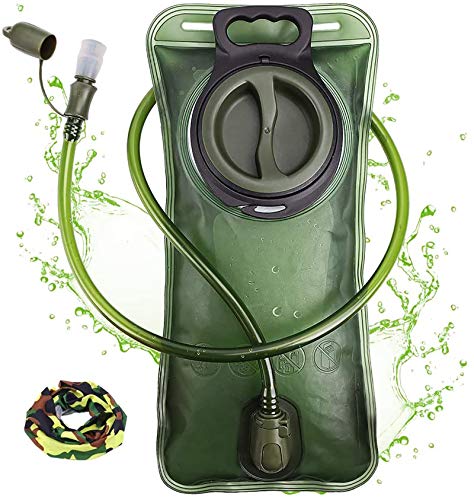
Hydration Bladder, 2L Water Bladder for Hiking Backpack,
- ✓ Easy to clean
- ✓ Leakproof design
- ✓ Good temperature tolerance
- ✕ Slightly bulky
- ✕ Hose could be longer
| Capacity | 2 liters |
| Material | Premium, food-grade, BPA-free plastic |
| Tube Diameter | 0.4 inches |
| Tube Length | 40 inches |
| Temperature Tolerance | 20°C to 50°C |
| Opening Size | Large opening for easy cleaning and filling |
Pulling this hydration bladder out of the backpack for the first time, I immediately noticed its impressive size and sturdy build. The large opening is a game-changer; I could easily pour in water, ice cubes, or give it a quick scrub without fuss.
The wide mouth means no awkward contorting to clean the interior, which is a relief after a few sweaty hikes.
The flexible, soft material feels premium and free of any plastic aftertaste—a big plus when you’re hydrating all day. I tested the pressure and durability, and it definitely holds up well, even with some rough handling.
The screw cap turns smoothly, sealing tight without any leaks, which is crucial when tossing it into a bag.
What really stands out is the tube—40 inches long, with a high flow bite valve that makes drinking effortless. I appreciate how quickly I could hydrate without slowing down.
The mouthpiece has a simple ON/OFF valve, so I didn’t worry about leaks when not in use. Plus, the cover kept dirt out during muddy adventures.
Temperature resistance from -20 to 50 Celsius means I could fill it with ice or hot water without issues. The leakproof design and secure connections kept everything dry, even on bumpy rides.
It fits snugly in most hydration packs, so I never felt weighed down.
After extended use, cleaning was straightforward thanks to the wide opening. Overall, this water bladder feels reliable and well-made, perfect for anyone who wants hassle-free hydration on the go.
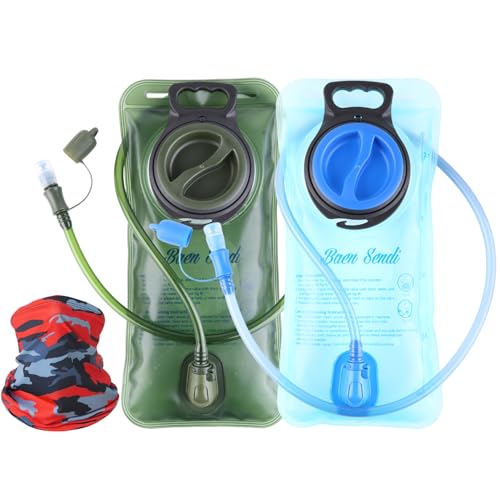
Baen Sendi 2-Pack Hydration Bladders 1.5L/2.5L/3L BPA Free
- ✓ Leak-proof and pressure tested
- ✓ Easy to fill and clean
- ✓ Includes free multifunctional mask
- ✕ Slightly stiff material initially
- ✕ No carrying bag included
| Capacity | 1.5L, 2.5L, or 3L options |
| Material | Thick, flexible, BPA-free plastic |
| Leak-proof Design | Passed pneumatic pressure test with leak-proof construction |
| Mouthpiece | High flow bite-valve with ON/OFF control and dirt cover |
| Opening | 4-inch wide screw-on cap for easy filling and cleaning |
| Tube System | Detachable quick-release tube with auto-lock shutoff valve |
Unboxing these Baen Sendi hydration bladders instantly gives you a sense of solid quality. The blue and army green colors are vibrant, and the thick, flexible material feels reassuringly durable in your hands.
I notice the wide, 4-inch screw cap for easy filling, especially handy if you’re tossing in ice cubes or big chunks of fruit.
The quick-release tube with the auto-lock shutoff is a real game-changer. It clicks securely when connected and prevents leaks, even if you accidentally tug or move around a lot.
Biting the soft mouthpiece feels natural, and the on/off valve gives you quick control without worrying about drips or spills.
Filling is a breeze thanks to the large opening, which makes cleaning simple—no more awkward scrubbing or guessing if the inside’s clean. The flexible material is pressure-tested and leak-proof, so you can toss it in your backpack without stress.
Plus, the included multifunctional face mask/neck gaiter is a fun bonus, perfect for sun protection or wiping sweat.
Overall, these bladders feel thoughtfully designed for outdoor adventures. They’re lightweight, easy to use, and versatile enough to handle lots of activity levels.
Whether you’re hiking, biking, or running, you’ll appreciate how straightforward it is to stay hydrated without fussing with complicated gear.
Sawyer Squeeze Water Filter & Cnoc 2L Bladder, Clear

- ✓ Lightweight and portable
- ✓ Easy to clean and maintain
- ✓ High-capacity filter lasts long
- ✕ Slightly stiff mouthpiece
- ✕ Squeezing takes some finesse
| Filtration Capacity | Up to 100,000 gallons |
| Filtration Method | Hollow fiber membrane filter |
| Microplastic Removal | 100% |
| Filter Material | Thicker hollow fiber membrane for durability |
| Bladder Material | Extra-durable TPU, BPA and PVC free |
| Bladder Capacity | 2 liters (64 ounces) |
That moment when you’re filtering water on the trail and realize how surprisingly effortless it is with the Sawyer Squeeze and Cnoc 2L bladder combo. The wide-mouth opening on the bladder makes filling a breeze, even from sketchy streams, without spilling a drop.
The filter itself feels sturdy yet lightweight, which is a relief when you’re packing your gear. I was impressed by how easy it is to attach the Sawyer Squeeze directly to the bladder’s outlet, saving time and mess.
Its thicker hollow fiber membrane means it handles backwashing without fuss—no more worrying about clogging after a few days of use.
Using it, I appreciated how compact the whole system is—under 6 ounces—and how it doesn’t add bulk to my pack. The cleaning plunger and coupling are simple to use, making maintenance quick and straightforward.
Plus, knowing it can filter up to 100,000 gallons gives you peace of mind for long trips or emergencies.
The bladder’s durable TPU construction and BPA-free material mean I don’t worry about plastics leaching into my water. It’s flexible, so squeezing water out is smooth, and the wide opening makes refilling from a creek or tap super fast.
Overall, it’s a reliable setup that combines ease of use with serious filtration power.
There are tiny downsides—like the slightly stiff mouthpiece on the bladder and the need to be careful when squeezing to avoid spills. But honestly, those are minor compared to the convenience and peace of mind this system provides.
Hydration Bladder, 3L Water Bladder for Hiking Backpack,
- ✓ Large, easy-to-clean opening
- ✓ Leakproof and durable
- ✓ Fits most hydration packs
- ✕ Slightly stiff tube
- ✕ Lacks insulation
| Capacity | 3 liters (L) |
| Material | Premium, food-grade, BPA-free plastic with double sealing side technique |
| Tube Diameter | 0.4 inches (10 mm) |
| Tube Length | 40 inches (101.6 cm) |
| Temperature Tolerance | 20°C to 50°C (68°F to 122°F) |
| Opening Size | Large opening for easy cleaning and filling |
As soon as I unboxed the CHERAINTI 3L hydration bladder, I noticed its surprisingly sturdy feel. The large opening immediately caught my eye — it’s wide enough for a hand or a brush, which makes cleaning feel so much easier than usual.
The smooth interior surface looks clean and is clearly designed for health and hygiene.
The material feels premium, with a slight matte finish that’s not slippery to hold. The screw-on cap twists on and off effortlessly, no fuss or struggle.
I was able to add ice cubes directly from my fridge without any issues, which is perfect for keeping drinks cold on hot days.
Filling it up was quick, thanks to the large mouth. Once sealed, I appreciated how secure the closure felt — no leaks or drips.
The tube is a good length and diameter, providing a steady flow when I bit down on the bite-valve. It’s soft, yet sturdy, and the ON/OFF valve gives me control over water flow easily.
Using it during a hike, I found the bite-valve very responsive, and the cover kept dirt out when not in use. The quick-release tube made refilling and cleaning simple, and the connector automatically shut off when detached, preventing spills.
The bladder’s flexibility means it fits neatly into my backpack without adding bulk.
Overall, this hydration bladder feels durable and thoughtfully designed. It handles temperature swings well and keeps drinking hassle-free, whether I’m biking, hiking, or running.
For the price, it’s a reliable choice that makes staying hydrated straightforward and mess-free.
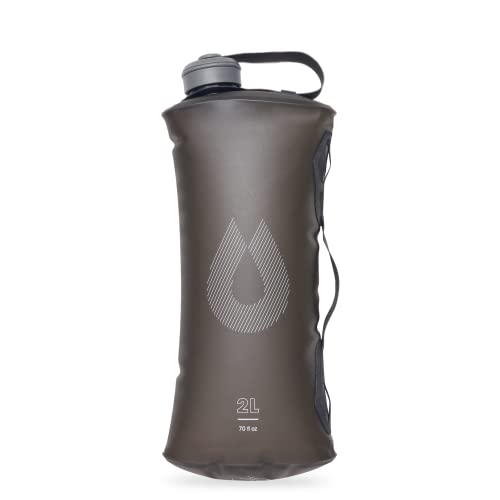
HydraPak Seeker 2L Collapsible Water Container Grey
- ✓ Very packable and lightweight
- ✓ Durable and versatile
- ✓ Easy to fill and pour
- ✕ Grey color shows dirt
- ✕ Not insulated
| Capacity | 2 liters (67.6 fl oz) |
| Material | Flexible, abrasion-resistant TPU |
| Temperature Range | Can be filled with hot water up to 60°C (140°F) |
| Opening Diameter | 42mm |
| Compatibility | Fits most 42mm threaded water filters, including HydraPak’s Filter Cap |
| Folded Size | Compact and lightweight when empty, designed for packability |
As I reached into my backpack and grabbed the HydraPak Seeker 2L, I immediately appreciated how lightweight and flexible it felt in my hand. Its soft, collapsible design meant I could squeeze it easily to pour water, and the grey color kept it discreet among my gear.
When I filled it at a stream, the large 42mm opening made refilling quick and mess-free, which I definitely valued after a long hike.
The durable TPU material felt tough enough to handle rough terrain, and I liked that I could freeze it overnight without worries. It turned into a handy ice pack when needed, which kept my snacks cold on a hot day.
Filling hot water up to 60°C was no problem either, and the handle was low-profile but sturdy for carrying around camp or hanging from a tree.
What really impressed me was its compatibility with most 42mm water filters—super easy to attach and filter water directly into the bladder. The foldability when empty was a game-changer, as I could crush it down into the included small bag and stow it away without taking up extra space.
Plus, the lifetime warranty reassures you that this is a solid investment for frequent backpackers.
Overall, the Seeker feels like a smart choice for anyone who wants a reliable, packable water reservoir that can handle hot, cold, and filtered water. It’s simple to use, tough enough for outdoor adventures, and packs down small when not in use.
The only slight downside is that the grey color might show dirt over time, but that’s a minor quibble for such a versatile piece of gear.
What Features Make the Best Backpacking Water Bladder?
The best backpacking water bladders are defined by several key features that enhance usability, durability, and hydration efficiency.
- Material Quality: The best water bladders are often made from durable, BPA-free materials that can withstand rugged outdoor conditions. This ensures they are not only lightweight but also resistant to punctures and leaks, providing reliable hydration during long hikes.
- Capacity Options: A variety of capacity options, typically ranging from 1 to 3 liters, allows backpackers to choose a bladder that fits their specific needs. Selecting the right size is crucial as it affects the weight carried and the frequency of refills during trips.
- Easy to Clean: Water bladders that feature wide openings or removable reservoirs make cleaning and filling much easier. This is important for maintaining hygiene and ensuring the bladder does not retain odors or tastes from previous contents.
- Hydration Tube Design: A high-quality hydration tube with a bite valve ensures easy sipping without the need to stop. Look for tubes that are insulated to prevent water from warming up too quickly and valves that are leak-proof to avoid spills.
- Compatibility with Packs: The best water bladders are designed to fit seamlessly into most hydration packs or backpacks. This compatibility ensures that they can be easily integrated into a backpacking setup without taking up unnecessary space.
- Durable Seals and Valves: Strong seals and reliable valves are essential to prevent leaks and ensure that the bladder can handle various pressure changes. This feature is crucial during strenuous activities where movement can cause wear and tear.
- Lightweight Design: An optimal water bladder should be lightweight to minimize the burden during hikes. This means selecting materials that offer strength without adding excessive weight, which is particularly important for long-distance backpacking.
- Temperature Resistance: The ability to handle extreme temperatures, whether hot or cold, is vital for maintaining the quality of the water inside. Certain materials can keep water cooler for longer periods, which is especially beneficial in hot climates.
How Does Water Bladder Capacity Affect Your Backpacking Experience?
Convenience and accessibility play a significant role in hydration. Water bladders with easy-access features, such as wide openings and convenient tubes, enhance your ability to hydrate quickly without stopping to dig through your pack. This can be a game-changer during strenuous climbs or when you’re on the move.
Temperature regulation is also influenced by capacity. A larger bladder can help keep your water cooler for longer periods, which is important for comfort during hot weather hikes. Staying hydrated with cool water can improve your performance and morale on the trail.
Lastly, durability and material matter greatly in the selection of the best backpacking water bladder. The best options are often made from robust materials that can withstand rugged conditions, affecting longevity and reliability. Choosing a bladder that resists punctures and leaks is essential for ensuring a trouble-free hiking experience.
Why Is Durability Important for a Backpacking Water Bladder?
The underlying mechanism behind the need for durability involves the materials and construction methods used in the design of water bladders. For example, bladders made from high-density polyethylene or thermoplastic polyurethane are more resistant to wear and tear compared to standard plastics. This is critical because backpackers often encounter sharp rocks, branches, and extreme temperatures, which can compromise less durable materials. Additionally, a well-constructed bladder with reinforced seams is less likely to fail under pressure, ensuring that users have access to water when they need it most. The relationship between durability and performance is evident; a more durable bladder directly correlates to less frequent replacements and greater peace of mind during expeditions.
What Are the Most Recommended Backpacking Water Bladders?
The most recommended backpacking water bladders combine functionality, durability, and ease of use for outdoor enthusiasts.
- CamelBak Crux Reservoir: This bladder features an ergonomic design that allows for an easy fit in most backpacks, and it has a wide opening for quick filling and cleaning.
- Osprey Hydraulics LT Reservoir: Known for its lightweight construction, this reservoir offers a sleek design and a reliable leak-proof system, making it ideal for long hikes.
- Platypus Big Zip EVO: This bladder is designed with a large zipper opening for effortless filling and cleaning, and it includes a durable, taste-free material that ensures clean, fresh water.
- Source Outdoor Hydration System: With a unique wide-slide opening and a durable, anti-bacterial lining, this bladder prevents water from tasting stale and is easy to maintain.
- Hydrapak Seeker: Extremely lightweight and packable, this bladder can be flattened when not in use, making it perfect for minimalist backpackers looking to save space.
The CamelBak Crux Reservoir stands out due to its innovative design that not only maximizes water flow when you drink but also features a convenient on/off lever for spill-free transport. Additionally, it has an integrated handle for easy filling and a lightweight yet durable construction that can withstand rugged outdoor conditions.
The Osprey Hydraulics LT Reservoir is praised for its minimal weight and streamlined shape, which fits snugly in your backpack without adding unnecessary bulk. Its reliable Hydraulics design includes a high-flow bite valve that delivers water quickly and efficiently, while its durable materials ensure it can handle the rigors of backpacking.
The Platypus Big Zip EVO is particularly loved for its user-friendly zipper opening, which allows for quick access to clean and fill the bladder. This bladder is made from a BPA-free material that is not only durable but also prevents any plastic taste from seeping into your water, ensuring a fresh experience.
The Source Outdoor Hydration System boasts an innovative wide-slide opening that makes cleaning and filling hassle-free. Its anti-bacterial lining keeps the water tasting fresh, while the durable build ensures reliability on extended trips through varied terrains.
Finally, the Hydrapak Seeker is perfect for those who value space-saving gear; it can be rolled up and packed down when empty, fitting seamlessly into your backpack. This bladder is designed with a high-flow nozzle that allows for easy sipping, making hydration quick and efficient while on the go.
Which Brands Are Known for Quality Backpacking Water Bladders?
Several brands are recognized for their quality backpacking water bladders:
- CamelBak: Renowned for innovation and durability, CamelBak offers a wide range of water bladders that are lightweight and designed for easy hydration while on the move.
- Osprey: Osprey’s bladders are known for their high-quality materials and ergonomic designs, ensuring a comfortable fit in various backpacks while providing efficient hydration.
- Platypus: Platypus is celebrated for its versatile and lightweight designs, featuring options that include large reservoirs and easy-to-clean materials, making them perfect for long hikes.
- Hydrapak: Hydrapak bladders are built for performance and adaptability, with features like a quick disconnect tube and a wide opening for easy filling and cleaning.
- MSR (Mountain Safety Research): MSR offers rugged and reliable water bladders that are designed for backcountry adventures, emphasizing filtration systems for safe drinking water from natural sources.
CamelBak has set a standard in the hydration industry, focusing on creating products that are not only functional but also comfortable to use. Their bladders typically come with a patented bite valve that allows for easy sipping and minimizes leaks, making them a favorite among backpackers.
Osprey’s bladders are specially designed to integrate seamlessly with their packs, featuring a specific compartment that keeps the bladder in place and allows for easy access to the hydration tube. This thoughtful design helps prevent sloshing and ensures that water is easily reachable during hikes.
Platypus stands out for its lightweight design and flexibility; their bladders can be rolled up when empty, saving space in your pack. Additionally, they utilize a proprietary material that is safe for holding water and easy to clean, making them a practical choice for long-term use.
Hydrapak emphasizes functionality with features that cater to active users, including a quick disconnect tube that allows for easy refills without removing the bladder from the pack. Their products are also designed to withstand rough conditions, making them ideal for adventurous backpackers.
MSR is particularly focused on safety and reliability; their bladders often come with built-in filtration systems, enabling users to draw water from streams or lakes without concern. This feature is invaluable for those undertaking lengthy treks in remote areas where clean water sources are scarce.
How Should You Maintain and Clean Your Backpacking Water Bladder?
To maintain and clean your backpacking water bladder effectively, consider the following methods:
- Regular Rinsing: After each use, rinse the bladder thoroughly with clean water to remove any residue or contaminants.
- Use a Cleaning Kit: Invest in a specialized cleaning kit designed for hydration systems, which typically includes brushes and cleaning tablets.
- Deep Cleaning: Perform a deep clean periodically using a mixture of warm water and a mild soap or vinegar to eliminate any buildup.
- Drying Completely: Ensure that the bladder is completely dry after cleaning to prevent mold and bacteria growth.
- Avoid Hot Liquids: Refrain from using hot liquids in your bladder, as high temperatures can degrade the materials over time.
Regular Rinsing: It’s essential to rinse your water bladder with clean water after each use to prevent any residue from accumulating. This simple step helps maintain the taste and quality of the water and reduces the risk of bacteria growth.
Use a Cleaning Kit: A cleaning kit specifically designed for hydration systems includes brushes and cleaning tablets that can help reach difficult areas. Using these tools will ensure that all parts of the bladder, including the tube and bite valve, are cleaned properly.
Deep Cleaning: For a thorough clean, mix warm water with a mild soap or vinegar and let it soak for a while. This deep cleaning process is crucial for removing stubborn stains and any lingering odors, ensuring your water bladder remains in optimal condition.
Drying Completely: After cleaning, it’s important to dry the bladder completely, as moisture can lead to mold and bacteria growth if left in a closed environment. Hang the bladder upside down in a well-ventilated area to ensure all parts dry effectively.
Avoid Hot Liquids: Using hot liquids can compromise the integrity of your bladder’s materials, leading to leaks or premature wear. Stick to cold or room temperature liquids to extend the lifespan of your backpacking water bladder.
What Are the Best Practices for Cleaning a Water Bladder?
The best practices for cleaning a water bladder ensure it remains safe and hygienic for use during backpacking trips.
- Rinse Immediately After Use: It’s essential to rinse your water bladder with clean water right after using it to prevent any residue buildup. This helps in minimizing the growth of bacteria and mold.
- Use Mild Soap: When cleaning your bladder, use a mild, non-toxic soap to avoid leaving harmful residues. Make sure to thoroughly rinse the bladder multiple times to eliminate any soap remnants.
- Use a Cleaning Kit: Investing in a specialized cleaning kit can make the process easier. These kits often include brushes and drying racks that are specifically designed for the shapes and sizes of water bladders.
- Dry Completely: After cleaning, ensure the bladder is completely dry before storing it. This prevents moisture from fostering mold and bacteria growth inside the bladder.
- Regular Deep Cleaning: Conduct a deep clean at least once every few months or before long trips. This may involve using a mixture of vinegar or baking soda to eliminate persistent odors and bacteria.
- Avoid Harsh Chemicals: Steer clear of bleach or other harsh chemicals as they can damage the bladder material and pose health risks. Always opt for natural cleaning agents that are safe for food containers.
What Are the Advantages of Using a Water Bladder Over Traditional Water Bottles?
The advantages of using a water bladder over traditional water bottles include improved convenience, weight distribution, and hydration efficiency.
- Convenience: Water bladders allow for hands-free hydration, enabling users to drink through a tube while on the move. This is particularly beneficial during activities like hiking or biking, where stopping to take a sip from a bottle can be cumbersome.
- Weight Distribution: Bladders are typically designed to fit snugly in a backpack, which helps distribute weight more evenly across the body. This can lead to a more balanced and comfortable carrying experience, especially on long treks.
- Capacity: Many water bladders offer larger capacities compared to average water bottles, allowing users to carry more water without needing to refill as often. This is advantageous for extended trips where water sources might be scarce.
- Space Efficiency: Water bladders can often be rolled or collapsed when not in use, saving space in a backpack. This is especially important for backpackers who prioritize minimizing bulk and maximizing packing efficiency.
- Insulation Options: Some water bladders come with insulation features, which help keep water cool in hot weather. This is a definite perk for those who enjoy cold drinks while hiking or participating in outdoor activities.
- Reduced Waste: Using a water bladder can contribute to less plastic waste compared to single-use water bottles. This environmentally friendly aspect appeals to many outdoor enthusiasts who are conscious of their ecological footprint.
- Ease of Cleaning: Many water bladders are designed with wide openings or removable components, making them easier to clean compared to traditional bottles. This helps maintain hygiene and ensures that water tastes fresh.
What User Experiences Highlight the Importance of Choosing the Right Water Bladder?
Choosing the right water bladder is crucial for an enjoyable and safe backpacking experience.
- Capacity: The capacity of a water bladder can significantly impact your trip. A bladder that holds enough water for your specific needs ensures you stay hydrated without needing frequent refills, which can be cumbersome on long hikes.
- Material and Durability: The material of the bladder plays a vital role in its longevity and safety. Bladders made from BPA-free materials are preferred as they are safe for drinking, while durable fabrics can withstand rough terrains and accidental punctures.
- Ease of Cleaning: A water bladder that is easy to clean can prevent the growth of mold and bacteria. Features like wide openings or removable hoses allow for thorough cleaning and drying, which is essential for maintaining hygiene during multi-day trips.
- Weight and Packability: The weight of the water bladder affects the overall load you carry. Lightweight options are ideal for backpacking, while compact designs can easily fit into packs without taking up too much space, allowing you to maximize your gear efficiency.
- Compatibility with Gear: Ensuring the water bladder is compatible with your backpack’s hydration system is essential. Some bladders come with specific features like tube routing or attachment points that integrate seamlessly with your backpack, enhancing convenience during your hike.
- Ease of Use: Features such as a bite valve or on/off switch can make drinking from the bladder more convenient while on the move. A bladder that allows for quick access and easy sipping can keep you hydrated without needing to stop frequently.
- Insulation Features: Some bladders come with insulation to keep water cool in hot weather. This can be particularly beneficial on long hikes in warm climates, as it provides refreshing hydration and enhances your overall comfort.