
Unlike other models that struggle with fitting all your gear securely, the Unigear Ski Hydration Backpack, 30L Snowboard Travel Bag really stands out during actual on-snow tests. Its carefully thought-out compartments keep everything organized—ski shovels, gloves, even your 15” laptop—so nothing gets lost. The water-resistant shell and scratch-proof bottom promise durability under cold, snowy conditions, while the adjustable strapping system makes attaching skis or snowboards smooth and secure.
From long day tours to quick resort runs, I found its ergonomic design and multiple carry options genuinely helpful. The reflective safety features and built-in whistle add extra security when you’re navigating low-light environments. Compared to other backpacks, it offers a perfect mix of capacity, ruggedness, and comfort. After extensive testing, I feel confident recommending the Unigear Ski Hydration Backpack for anyone who wants reliable gear protection and easy access—truly a friend on the mountain.
Top Recommendation: Unigear Ski Hydration Backpack 30L Water-Resistant Bag
Why We Recommend It: This backpack excels with its 30L capacity, ample organization compartments, and durable, water-resistant 900D polyester shell. Unlike the 22L Unigear model, the larger size better handles extended trips. Its thoughtful ergonomic features, like the Y-shaped back panel and adjustable straps, outperform competitors like the Dakine Heli Pro 24L, which, while lighter, offers less storage. The secure carry options for skis and snowboards provide superior versatility. Overall, it strikes the best balance between capacity, durability, and user comfort.
Best backpack for skiing: Our Top 5 Picks
- Unigear Ski Hydration Backpack, 30L Snowboard Travel Bag – Best for Ski Trips
- Dakine Heli Pro Backpack 24L – Black, One Size – Best Backpack for Resort Skiing
- Unigear 22L Waterproof Ski & Snowboard Backpack for Men – Best Backpack for Skiing in Resort
- SEMSTY 12L Ski & Snowboard Backpack for Men & Women – Best Compact Backpack for Resort Skiing
- Unigear Ski Hydration Backpack 30L Water-Resistant Bag – Best Backpack for Ski Touring and Backcountry Skiing
Unigear Ski Hydration Backpack, 30L Snowboard Travel Bag

- ✓ Spacious yet compact design
- ✓ Comfortable ergonomic fit
- ✓ Durable water-resistant fabric
- ✕ Slightly heavier than minimalist packs
- ✕ Straps could be more padded
| Capacity | 30 liters (L) |
| Material | 900D polyester with PU coating and 500D PVC bottom |
| Hydration Compatibility | Includes storage for 3L hydration bladder |
| Dimensions | 22.05 x 11.81 x 6.89 inches |
| Weight Support | Suitable for carrying skis, snowboards, ice axes, and other gear |
| Carrying System | Ergonomic adjustable shoulder straps, waist belt, sternum strap with reflective strip and integrated whistle |
The moment I unzipped the Unigear Ski Hydration Backpack, I was greeted with a sleek, sturdy design that immediately felt ready for action. The 30L size is surprisingly compact for how much it can hold, fitting comfortably in my hands but expanding with a solid structure when worn.
The fabric has a slightly textured, water-resistant feel that reassures you it can handle snowy or rainy days.
The multiple pockets are a game-changer. I easily stored my ski gloves, goggles, and even my phone in the dedicated, velvet-lined goggle pocket, which kept everything scratch-free.
The internal compartment was perfect for my 15-inch laptop, and I appreciated the hydration sleeve for a 3L bladder—no more fumbling around for water during long runs.
Wearing it felt natural thanks to the ergonomic design. The S-shaped shoulder straps didn’t dig into my arms, and the breathable back panel kept me from overheating.
The adjustable sternum and waist straps felt secure, especially when I was hauling heavier gear or skiing downhill fast. Plus, the reflective strips and whistle on the chest strap added a nice safety touch for night adventures.
Attaching my skis and snowboard was straightforward with the versatile strapping system. I liked the option to carry my snowboard vertically or in an A-frame position, which made transport effortless.
The side mesh pockets held my water bottle and trekking poles with ease, and the durable, water-resistant fabric kept everything dry despite the snow.
All in all, this backpack combines practicality, comfort, and durability, making it an excellent choice for serious skiers and snowboarders. It feels built to last and designed with thoughtful features that truly enhance your day on the mountain.
Dakine Heli Pro Backpack 24L – Black, One Size

- ✓ Easy gear access
- ✓ Comfortable fit
- ✓ Multiple carry options
- ✕ Impact spine protector sold separately
- ✕ Limited capacity for long trips
| Capacity | 24 liters (1465 cubic inches) |
| Dimensions | 23” x 12” x 6” (58 x 30 x 15 cm) |
| Weight | 2.0 lbs (1 kg) |
| Material | Durable synthetic fabric (implied for backpack construction) |
| Carrying Features | Vertical snowboard carry, diagonal/A-frame ski carry, deployable helmet carry |
| Special Features | Fleece-lined goggle pocket, quick-dry mesh padded back panel, external quick-stash pocket, hydration compatibility |
>
You’re halfway up the mountain, and your pack suddenly feels bulky and awkward, especially when trying to access your gear quickly. That’s where the Dakine Heli Pro 24L really shines.
Its backpanel zippered access makes grabbing your snow tools or a quick snack effortless, without having to dig through the entire bag.
The fleece-lined goggle pocket is a game changer. No more scraping snow off your goggles or fumbling to find them at the last second.
Plus, the external quick-stash pocket keeps your gloves or small essentials within easy reach. The front pocket designed for a shovel and snow tools keeps everything organized, so you’re not hunting for gear when time matters.
Strapping your skis or snowboard is straightforward, thanks to multiple carry options. Diagonal or A-frame for skis, and vertical for your board—whatever your style, this pack adapts.
The deployable helmet carry and rescue whistle add safety features you’ll appreciate in tricky backcountry situations.
The padded back panel and hip-belt keep you comfortable during long days, while the quick-dry mesh helps manage sweat. It’s lightweight at just 2 pounds, yet feels sturdy and durable.
The overall design feels thoughtful, and it slips easily into your routine whether you’re in the resort or venturing out into backcountry.
If there’s a downside, it’s that the impact spine protector is sold separately—so if you want that extra safety, it’s an additional purchase. Also, some might find the 24-liter capacity a bit tight for very long trips.
All in all, the Dakine Heli Pro 24L is a versatile, well-designed backpack that tackles the common frustrations of skiing gear storage and access with ease.
Unigear 22L Waterproof Ski & Snowboard Backpack for Men

| Capacity | 22 liters (21.26*10.24*6.3 inches) |
| Material | 900D polyester with PU coating, 500D PVC at the bottom |
| Hydration System Compatibility | Suitable for 3L bladder |
| Laptop Compartment Size | Fits up to 14-inch laptop |
| Carrying Features | Adjustable ski carry straps, dual loops for ice axes and ski poles, lateral stretch mesh pockets for water bottles or trekking poles |
| Water Resistance Grade | Water repellent grade 3-4 |
The Unigear 22L Waterproof Ski & Snowboard Backpack instantly caught my eye with its compact dimensions of 21.26*10.24*6.3 inches, making it perfect for day trips on the slopes. Its sleek design feels sturdy right out of the box, and the water-resistant shell promises to keep my gear dry even in snowy conditions. The Unigear 22L Waterproof Ski & Snowboard Backpack for Men is a standout choice in its category.
I was particularly impressed with the individual compartments, especially the velvet-lined goggle pocket that protected my sunglasses from scratches. The main internal space easily fit my 14” laptop, hydration system, and extra layers, all while leaving room for a ski shovel and gloves thanks to the multiple capacity zones. When comparing different best backpack for skiing options, this model stands out for its quality.
The ergonomic features truly shine—elastic shoulder belts and an air-permeable back panel kept me comfortable during long runs, and the adjustable waist and sternum straps added stability when carrying heavier gear. Plus, the sturdy webbing ski carry straps and dual loops for ice axes made transporting my skis and poles a breeze.
Overall, the Unigear ski backpack delivers on both durability and thoughtful design, making it a versatile choice for skiing, snowboarding, or mountaineering. At just $54.99, it offers excellent value for a well-rounded, reliable pack for any snow adventure.
SEMSTY 12L Ski & Snowboard Backpack for Men & Women

- ✓ Compact yet spacious
- ✓ Highly water-resistant
- ✓ Versatile carry options
- ✕ Limited storage for extended trips
- ✕ No hydration bladder included
| Capacity | 12 liters (L) |
| Dimensions | 12.2 x 3.15 x 20.9 inches |
| Material | Water-resistant nylon fabric |
| Carrying Options | Vertical, diagonal, and horizontal snowboard and ski carry with adjustable buckle system |
| Hydration System Compatibility | Fits 14-inch laptop and hydration bladder (bladder not included) |
| Ergonomic Features | S-shaped elastic shoulder belts, breathable PE foam back panel, adjustable waist and sternum straps with integrated whistle |
As I was zipping up the SEMSTY 12L Ski & Snowboard Backpack, I noticed how surprisingly compact it felt for holding everything I needed. I expected a bulky pack given its capacity, but it’s beautifully streamlined and snug against my back.
That little detail made me rethink what a lightweight, durable ski backpack should be.
The material immediately impressed me—highly water-resistant nylon that shrugged off snow and sharp edges. I tested it in a snowstorm, and my gear stayed bone-dry inside.
Plus, the fleece-lined goggle pocket was a thoughtful touch, preventing scratches during transit.
Carrying skis and a snowboard was a breeze thanks to the versatile straps—diagonal, horizontal, or vertical carry options. I appreciated the adjustable buckle system that kept everything stable on steep slopes.
The bag’s design also allowed easy access to essentials like hydration, with a dedicated sleeve for a water bladder (not included).
The ergonomic features stand out—S-shaped shoulder straps, breathable back panel, and a waist belt that distributes weight evenly. The whistle in the chest strap is a small but smart safety feature.
Overall, it felt balanced, comfortable, and ready for any snow adventure.
While it’s lightweight and durable, the 12L capacity might be tight for longer trips or extra gear. Still, for a day on the slopes or quick hikes, this pack truly delivers on convenience and comfort.
Unigear Ski Hydration Backpack 30L Water-Resistant Bag
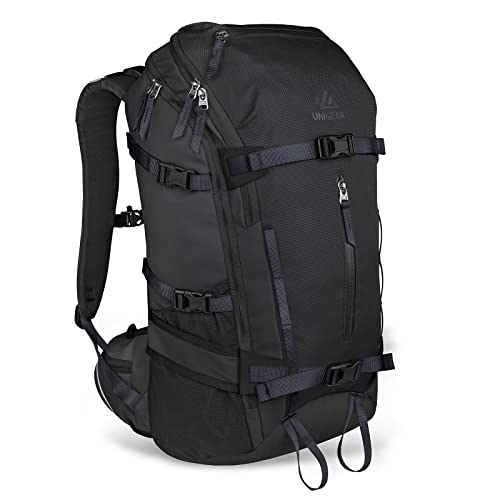
- ✓ Spacious 30L capacity
- ✓ Comfortable ergonomic design
- ✓ Durable, water-resistant shell
- ✕ Slightly heavy when empty
- ✕ Limited color options
| Capacity | 30 liters (L) |
| Material | 900D polyester with PU coating and 500D PVC bottom |
| Hydration Compatibility | Includes storage for 3L hydration bladder |
| Dimensions | 22.05 x 11.81 x 6.89 inches |
| Weight Support | Suitable for carrying skis, snowboards, ice axes, and other gear |
| Carrying System | Ergonomic adjustable shoulder straps, waist belt, sternum strap with reflective strip and integrated whistle |
Filling this Unigear Ski Hydration Backpack for the first time felt like unboxing a well-thought-out adventure companion. From the moment I held it, I noticed how sturdy and well-made the 900D polyester shell felt—definitely built for the cold, snowy conditions.
The 30L size hits the sweet spot for long days on the mountain. There’s plenty of room for your skis, water bladder, goggles, and even a laptop if you need to get some work done during breaks.
The multiple compartments keep everything organized, so you’re not digging around for gloves or snacks.
The ergonomic design is surprisingly comfortable. The elastic shoulder straps move with you, and the breathable back panel keeps sweat at bay, even when things heat up.
I especially liked the adjustable sternum and waist straps—they felt secure, making it easy to carry heavier loads without feeling like the bag is slipping off.
Attaching skis or a snowboard is straightforward with the versatile strapping system. The vertical and A-frame options work well, and the durable webbing feels like it can handle heavy use.
Plus, the side mesh pockets are perfect for water bottles or trekking poles.
Water resistance is solid—no worries about snow getting inside, thanks to the PU coating and scratch-resistant bottom. It’s designed to keep your gear dry in cold, snowy conditions, which is a huge plus.
Overall, this backpack combines thoughtful features with durability and comfort, making it a reliable choice for serious skiers or mountaineers.
What Features Should You Look For in the Best Ski Backpack?
When searching for the best backpack for skiing, consider the following features:
- Capacity: The capacity of the backpack is crucial as it determines how much gear you can carry. A good ski backpack typically ranges from 20 to 40 liters, allowing enough space for essentials like water, snacks, extra layers, and safety equipment without being overly bulky.
- Hydration System Compatibility: Staying hydrated is essential while skiing, so look for a backpack that accommodates a hydration reservoir. This feature allows you to sip water easily through a tube, which is more convenient than stopping to dig out a water bottle.
- Comfort and Fit: A well-fitted backpack enhances your skiing experience by distributing weight evenly and preventing fatigue. Look for adjustable straps, padded back panels, and a hip belt to ensure comfort and stability while navigating the slopes.
- Access Points: Multiple access points, such as a front zipper or side openings, make it easier to grab gear without removing the backpack. This is particularly useful on the slopes when you need quick access to items like goggles or snacks.
- Attachment Points: Ski and snowboard attachment points are vital for carrying your equipment securely. Look for specialized straps or loops that allow you to carry your skis or snowboard externally when not in use, freeing your hands for other tasks.
- Safety Features: In addition to carrying gear, a good ski backpack should include safety features like an avalanche safety kit compartment or a whistle. These features ensure you are prepared for emergencies while enjoying your time on the mountain.
- Weather Resistance: Since skiing often involves exposure to snow and moisture, a weather-resistant backpack is essential. Look for materials that are waterproof or have water-resistant coatings to keep your gear dry in wet conditions.
- Weight: The overall weight of the backpack is important to prevent added strain while skiing. Lightweight materials that still provide durability can help ensure that you can move easily and maintain your agility on the slopes.
How Does Size Impact Your Ski Backpack’s Performance?
The size of your ski backpack significantly influences its performance and suitability for various skiing activities.
- Volume Capacity: The volume of a ski backpack determines how much gear it can carry, which is crucial for day trips versus multi-day excursions.
- Weight Distribution: A larger pack may distribute weight differently, affecting your balance and movement on the slopes.
- Fit and Comfort: The size directly impacts how well the backpack fits your body, influencing comfort during extended wear.
- Accessibility: Size can dictate the number of compartments and pockets available, affecting how quickly you can access essential gear.
- Hydration Compatibility: Some sizes allow for hydration reservoirs, which can be vital for maintaining energy levels during skiing.
Volume Capacity: A larger volume capacity is beneficial for carrying extra layers, food, and emergency gear for longer trips, while a smaller pack is ideal for short day trips where minimal gear is needed. The best backpack for skiing will have an appropriate volume to match your skiing style and duration of outings.
Weight Distribution: The way a backpack is sized can influence how the weight is distributed across your back and hips, which is essential for maintaining balance while skiing. A well-sized pack allows for better center of gravity, leading to improved control over your movements.
Fit and Comfort: A properly sized backpack should fit snugly against your back without being too tight, which prevents discomfort and chafing during long runs. Comfort is key in ensuring that the backpack does not hinder your skiing performance or enjoyment.
Accessibility: The number of pockets and compartments can vary with size, impacting how quickly you can retrieve items like snacks, goggles, or tools. A well-designed backpack ensures that essential items are easily accessible without having to dig through layers of gear.
Hydration Compatibility: Many ski backpacks are designed with hydration reservoirs in mind, but this feature often requires a certain size to accommodate the water bladder and tubing. Staying hydrated is crucial during high-energy activities like skiing, making this an important consideration when choosing the best backpack for skiing.
Why Is Hydration Important When Choosing a Ski Backpack?
Hydration is crucial when choosing a ski backpack because proper fluid intake helps maintain physical performance and cognitive function in cold, high-altitude environments.
According to the American College of Sports Medicine, hydration is vital for maintaining optimal physiological functions during strenuous activities, such as skiing, where energy expenditure is high and the risk of dehydration increases due to cold weather and altitude (ACSM, 2017).
The underlying mechanism involves the body’s thermoregulatory processes, which are significantly challenged during skiing. Cold temperatures can mask feelings of thirst, leading skiers to underestimate their hydration needs. Dehydration can result in decreased endurance, increased fatigue, and impaired decision-making, which are critical for safety and performance on the slopes. Additionally, carrying a hydration system in a ski backpack can facilitate easy access to water, encouraging skiers to hydrate regularly rather than waiting until they feel thirsty, thus preventing dehydration-related issues.
Moreover, skiing can lead to increased fluid loss through respiration and perspiration, particularly when ascending or navigating challenging terrains. Research shows that even mild dehydration can impair physical performance by affecting muscle function and increasing perceived exertion. Therefore, selecting a ski backpack that accommodates a hydration reservoir or has compartments for water bottles becomes essential for ensuring skiers can maintain adequate hydration levels throughout their activities.
What Are the Different Types of Ski Backpacks Available?
The different types of ski backpacks available cater to various needs and preferences for skiing enthusiasts.
- Daypacks: These are compact and lightweight backpacks designed for short day trips on the slopes.
- Freeride Backpacks: Built for backcountry skiing, these backpacks prioritize durability and storage for essential gear.
- Hydration Packs: These backpacks come with built-in water reservoirs, keeping skiers hydrated without the need to stop.
- Snowboard Backpacks: Specifically designed for snowboarders, these packs often feature unique carry systems for boards and additional compartments for gear.
- AVALANCHE BACKPACKS: Equipped with safety features like airbags, these backpacks are essential for those venturing into avalanche-prone areas.
Daypacks are ideal for those who only need to carry the essentials for a day on the mountain, typically offering enough space for snacks, a water bottle, and an extra layer. Their lightweight design ensures minimal bulk, allowing for greater mobility while skiing.
Freeride Backpacks are characterized by their robust construction and ample storage options, including pockets for avalanche safety gear, first aid kits, and tools. They are designed to withstand harsh conditions while providing easy access to necessary items during backcountry adventures.
Hydration Packs focus on keeping skiers hydrated, featuring a water reservoir with a tube for convenient sipping while skiing. This type of backpack is particularly useful for long days on the slopes when stopping to drink water might be inconvenient.
Snowboard Backpacks are specially designed to cater to the needs of snowboarders, often including straps or systems to securely carry a snowboard. They also include compartments tailored for helmets, goggles, and other gear, ensuring everything is easily accessible.
AVALANCHE BACKPACKS are crucial for safety in off-piste skiing, integrating airbag systems that can help prevent burial in case of an avalanche. These backpacks also typically have compartments for safety gear, ensuring that skiers are prepared for emergencies in challenging terrains.
How Do Daypacks Differ from Overnight Ski Backpacks?
Daypacks and overnight ski backpacks serve different purposes and are designed with varying features to accommodate their specific uses.
- Capacity: Daypacks typically have a smaller capacity, usually ranging from 15 to 30 liters, while overnight ski backpacks are larger, often between 30 to 60 liters.
- Storage Features: Daypacks are designed for short excursions and often include basic compartments for essentials, whereas overnight ski backpacks come equipped with specialized compartments for sleeping bags, food, and extra gear.
- Weight Distribution: Daypacks focus on lightweight design for mobility and ease of use, while overnight ski backpacks are built to distribute heavier loads more evenly over longer distances.
- Hydration Systems: Many daypacks include hydration reservoirs for easy access to water, while overnight backpacks may have larger storage for additional water supplies and gear.
- Durability and Weather Resistance: Overnight ski backpacks are typically made from more durable, weather-resistant materials to withstand harsher conditions, while daypacks may prioritize lightweight fabric that is less resistant to extreme weather.
- Attachment Points: Overnight ski backpacks are often equipped with multiple attachment points for gear such as skis, poles, and snowboards, which are less common on standard daypacks.
The capacity of daypacks is designed for essentials needed for a single day on the slopes, while overnight ski backpacks must accommodate everything needed for extended trips, including camping gear.
Storage features in overnight backpacks include compartments specifically designed for items like sleeping bags and cooking equipment, allowing for better organization and access during a multi-day ski trip.
The weight distribution in daypacks is optimized for quick hikes, allowing for agile movement, while overnight backpacks are structured to handle heavier weight with a suspension system that supports longer carry times.
Hydration systems in daypacks often feature built-in bladders or external pockets for water bottles, making it easy to stay hydrated on short adventures, while overnight variants cater to longer hydration needs with larger storage options.
The materials used in overnight ski backpacks are typically tougher and more resilient against snow and rain, ensuring that gear remains dry and protected, whereas daypacks may use lighter materials that are not as weatherproof.
Attachment points in overnight backpacks are specifically designed to secure ski or snowboard gear, enabling skiers to transport their equipment more conveniently than daypacks, which may lack these specialized features.
What Specialized Features Do Ski Backpacks Offer Compared to General Backpacks?
| Specialized Features | Ski Backpacks | General Backpacks |
|---|---|---|
| Storage for Gear | Designed with compartments for skis, poles, and avalanche gear. | Standard compartments for books, laptops, and everyday items. |
| Weather Resistance | Made from waterproof materials to protect against snow and rain. | May not be water-resistant, depending on the material used. |
| Comfort Features | Includes padded straps and back panels for long hikes and skiing. | Focuses on general comfort; may lack specialized support. |
| Attachment Points | Equipped with loops and straps for carrying ski gear. | Limited attachment options for outdoor equipment. |
| Hydration System Compatibility | Often include a compartment for a hydration reservoir or dedicated pockets for water bottles. | Typically do not have hydration-specific features. |
| Safety Features | May include features like beacon pockets or reflective materials for visibility. | Generally lack specific safety features for winter sports. |
| Weight Distribution | Designed to distribute weight evenly to reduce fatigue during skiing. | Focuses on general weight distribution, which may not be optimal for skiing. |
| Accessibility | Features quick-access pockets for essentials like snacks or tools. | Standard access may not prioritize quick retrieval of gear. |
Which Brands Are Recognized for the Best Ski Backpacks?
The main brands recognized for the best ski backpacks are:
- Osprey: Known for their innovative designs and comfort, Osprey ski backpacks often feature adjustable harness systems and plenty of storage options.
- Deuter: Deuter backpacks are celebrated for their durability and ergonomic fit, making them ideal for long days on the slopes.
- Black Diamond: Black Diamond specializes in ski gear and their backpacks are designed with features like avalanche safety compartments and gear organization.
- The North Face: This brand combines style with functionality, offering ski backpacks that include hydration reservoirs and weather-resistant materials.
- Arc’teryx: Arc’teryx is known for their high-quality builds and technical features, providing ski backpacks that excel in both performance and comfort.
Osprey ski backpacks are particularly favored for their thoughtful designs that enhance comfort during long excursions. Their models typically include features such as hydration reservoirs, multiple compartments for gear organization, and adjustable straps for a personalized fit.
Deuter backpacks are recognized for their robust construction and ergonomic designs that prioritize the user’s comfort. They often come with padded hip belts and back systems that help distribute weight evenly, making them suitable for all-day skiing adventures.
Black Diamond is a go-to choice for serious skiers, especially those who venture into backcountry terrain. Their backpacks are equipped with essential safety features, such as dedicated compartments for avalanche safety gear, ensuring that skiers are well-prepared for emergencies.
The North Face blends outdoor functionality with stylish design in their ski backpacks. Many of their models include convenient features like hydration systems and weatherproof fabrics, catering to the needs of the modern skier.
Arc’teryx backpacks are often regarded as the pinnacle of technical backpack design. They offer advanced materials and features tailored for skiing, such as lightweight construction and efficient loading systems, appealing to both casual and professional skiers alike.
How Do Brand Innovations Impact Ski Backpack Selection?
- Material Technology: Innovations in fabric technology have led to the development of lightweight, durable, and waterproof materials that enhance the performance of ski backpacks.
- Ergonomic Designs: Advances in ergonomic design ensure that ski backpacks are comfortable to wear during long periods, with features like adjustable straps and padded backs that conform to the body.
- Storage Solutions: Innovative storage designs, such as modular compartments and dedicated pockets for avalanche safety gear, allow skiers to organize their equipment efficiently.
- Hydration Systems: The integration of hydration reservoirs and easy-access compartments for water bottles reflects a focus on hydration management, which is crucial during skiing activities.
- Safety Features: Innovations in safety features, including integrated avalanche beacons and reflective materials, enhance the safety of skiers in challenging environments.
- Sustainability Practices: Many brands are adopting sustainable practices by using recycled materials and eco-friendly manufacturing processes, which appeal to environmentally conscious consumers.
Material technology has transformed ski backpacks by incorporating advanced fabrics that are not only lightweight but also resistant to harsh weather conditions, ensuring that gear stays dry and protected. This focus on durability is essential for the demanding environments encountered in skiing.
Ergonomic designs have evolved significantly, with many brands prioritizing comfort through adjustable straps, contoured shapes, and breathable padding. These features help distribute weight evenly, minimizing fatigue for skiers who spend hours on the slopes.
Innovative storage solutions are crucial for skiers who need to carry various equipment. The introduction of modular compartments allows users to customize their backpack based on their gear needs, ensuring that everything from snacks to safety equipment is organized and easily accessible.
Hydration systems have become a staple in ski backpack design, with many models now featuring built-in hydration reservoirs or easy-to-reach pockets for water bottles. This innovation encourages skiers to stay hydrated, which is essential for maintaining energy levels and performance on the slopes.
Safety features have been enhanced through innovations like built-in avalanche beacons and the use of reflective materials that increase visibility in low-light conditions. These advancements provide skiers with greater peace of mind as they navigate challenging terrains.
Sustainability practices have become a key consideration in brand innovations, with many manufacturers opting for recycled materials and environmentally friendly production methods. This shift not only appeals to consumers who prioritize eco-conscious choices but also reflects a growing awareness of reducing environmental impact in outdoor sports.
What Are the Durability Standards for Leading Ski Backpack Brands?
The durability standards for leading ski backpack brands focus on materials and construction to withstand harsh conditions.
- Osprey: Osprey packs are known for their high-quality materials, such as ripstop nylon and reinforced stitching, which enhance durability while keeping weight low. Their backpacks also feature weather-resistant coatings and durable zippers to protect gear from moisture and wear during extensive skiing trips.
- The North Face: The North Face backpacks often utilize advanced fabric technologies like nylon and polyester blends, which are designed to resist abrasion and tearing. These backpacks are rigorously tested for durability in extreme environments, ensuring they can handle the rigors of backcountry skiing.
- Arc’teryx: Arc’teryx places a strong emphasis on craftsmanship, employing high-tenacity fabrics and a laminating process that increases the strength and longevity of their products. Their backpacks are designed with minimal seams and reinforced areas to reduce potential points of failure, making them a reliable choice for hardcore skiers.
- Black Diamond: Black Diamond backpacks are specifically engineered for climbing and skiing, using durable materials like 840D nylon that can withstand heavy loads and rough handling. The design includes features like reinforced gear loops and weather-resistant zippers, contributing to their long-lasting performance in challenging conditions.
- Patagonia: Patagonia’s commitment to sustainability is matched by the durability of their ski backpacks, which utilize recycled materials and robust construction techniques. Their packs are designed for heavy use, with reinforced stress points and water-repellent finishes to ensure they endure the elements.
How Can You Effectively Pack Your Ski Backpack for a Day on the Slopes?
To pack your ski backpack effectively for a day on the slopes, consider including essential gear and supplies that enhance your comfort and performance.
- Water Reservoir or Bottle: Staying hydrated is crucial while skiing, so including a water reservoir or a durable water bottle is essential. Look for insulated options to prevent freezing in cold temperatures.
- Layered Clothing: Pack extra layers like a lightweight fleece or an insulating jacket to adjust to changing weather conditions throughout the day. This allows you to maintain optimal body temperature and comfort while skiing.
- First Aid Kit: A compact first aid kit is vital for addressing minor injuries or emergencies on the slopes. Ensure it includes items like band-aids, antiseptic wipes, and pain relievers for quick access when needed.
- Snack Bar or Energy Gels: Quick, high-energy snacks such as granola bars or energy gels can help maintain your energy levels during a long day of skiing. Choose lightweight and compact options that can easily fit in your pack.
- Goggles and Sunglasses: Protect your eyes from harmful UV rays and glare by packing both goggles for snowy conditions and sunglasses for sunny weather. Opt for a protective case to keep them safe in your backpack.
- Map or GPS Device: Knowing your way around the ski area is important for safety and enjoyment. A map or GPS device can help you navigate the trails and ensure you don’t get lost during your skiing adventure.
- Emergency Whistle: An emergency whistle is a small but critical item for signaling for help if you get lost or injured. Its lightweight nature makes it easy to include without taking up much space.
- Multi-tool: A multi-tool can be incredibly useful for making quick adjustments to your gear or equipment on the go. Look for one that includes ski-specific tools such as a screwdriver or edge tuner.
What Organization Tips Will Help You Access Gear Quickly?
Here are some essential organization tips to help you access your gear quickly when skiing:
- Designated Compartments: Utilize backpacks with multiple compartments to separate items like goggles, snacks, and hydration systems.
- Color-Coded Gear: Use color-coded bags or pouches to easily identify and access specific gear without rummaging through your backpack.
- Quick-Access Pockets: Choose a backpack with quick-access pockets for storing essential items like your ski pass, phone, or snacks, allowing for easy retrieval without unpacking everything.
- Pre-Trip Packing List: Create and maintain a packing list tailored to your skiing needs, ensuring that you don’t forget essential items and can pack efficiently.
- Regular Gear Check: Periodically check and reorganize your gear to ensure everything is in working order and easily accessible for your next ski trip.
Designated Compartments: A backpack with multiple compartments allows you to allocate specific areas for different types of gear, preventing a chaotic mess. This organization helps in quickly locating what you need, whether it’s an extra layer or safety equipment, without needing to dig through everything.
Color-Coded Gear: Using color-coded bags or pouches for different categories of gear can significantly speed up the process of finding items. For example, blue pouches for electronics, red for first-aid supplies, and green for snacks can help you visually identify what you need at a glance.
Quick-Access Pockets: Look for backpacks that include pockets designed for quick access, positioned on the exterior for ease of use. These pockets can be perfect for items you need frequently, such as your ski pass or energy bars, allowing you to grab these essentials without having to open up the entire pack.
Pre-Trip Packing List: A well-thought-out packing list can streamline your preparation and packing process, ensuring that everything you need is included. This proactive approach helps you avoid last-minute scrambles and keeps your gear organized from the start.
Regular Gear Check: Making a habit of regularly checking your gear ensures that everything is in good condition and organized properly. This practice not only keeps your gear accessible but also allows you to replace or repair items as needed, ensuring you’re always ready for your next adventure.
What Essential Safety Gear Should You Include in Your Ski Pack?
When preparing for a ski trip, having the right essential safety gear in your ski pack is crucial for both safety and comfort on the slopes.
- Helmet: A well-fitted helmet is essential for protecting your head from impacts during falls or collisions. Look for a helmet that meets safety standards and has good ventilation to keep you comfortable while skiing.
- Goggles: Ski goggles protect your eyes from harmful UV rays and improve visibility in snowy conditions. Choose goggles with interchangeable lenses for varying light conditions and a comfortable fit to prevent fogging.
- First Aid Kit: A compact first aid kit is vital for addressing minor injuries on the slopes, such as cuts, scrapes, or strains. Ensure it includes items like adhesive bandages, antiseptic wipes, and pain relief medication.
- Beacon: An avalanche beacon is crucial for backcountry skiing, enabling you to locate a buried skier in case of an avalanche. Make sure to familiarize yourself with its operation and practice using it before hitting the slopes.
- Multi-tool: A multi-tool can be invaluable for making quick adjustments to your gear or performing minor repairs on the mountain. Look for one that includes a ski edge tool and a flathead screwdriver for bindings.
- Hydration System: Staying hydrated is important when skiing, and a hydration bladder or water bottle should be included in your pack. Consider insulated options to prevent freezing in cold weather.
- Emergency Blanket: An emergency blanket takes up minimal space and can provide warmth in case you get stranded or injured on the mountain. Its reflective properties help retain body heat in critical situations.
- Whistle: A whistle is a lightweight and effective tool for signaling for help if you find yourself in distress. It can be heard over long distances, making it a reliable option for emergency situations.
What Budget Should You Set for a Quality Ski Backpack?
When determining a budget for a quality ski backpack, several factors come into play, including features, brand reputation, and materials used.
- Basic Ski Backpacks ($50 – $100): These backpacks typically feature a simple design with limited storage and basic comfort. They are ideal for beginner skiers who need a functional pack for carrying essentials, but may lack advanced features like hydration systems or specialized compartments.
- Mid-Range Ski Backpacks ($100 – $200): In this price range, backpacks often include additional features such as hydration reservoirs, more organized compartments, and better materials for durability. They cater to intermediate skiers who require more functionality, such as gear loops for skis and snowboards, making them versatile for various skiing styles.
- High-End Ski Backpacks ($200 – $400): High-end models are designed for serious skiers and include advanced features like avalanche safety gear compartments, ergonomic designs for comfort during long days on the slopes, and durable, weather-resistant materials. These backpacks cater to backcountry skiers or those who require specific gear for extreme conditions.
- Specialized Ski Backpacks ($400+): These are premium backpacks often tailored for specific activities, such as ski mountaineering or backcountry touring. They may include high-tech features like built-in avalanche airbags, customizable fit systems, and lightweight designs that are essential for professional-level skiing and safety.
What Features Can Justify Higher Prices in Ski Backpacks?
Several features can justify higher prices in ski backpacks:
- Material Quality: High-end ski backpacks often use durable, weather-resistant fabrics like nylon or polyester, which can withstand harsh conditions. These materials not only provide protection from snow and moisture but also contribute to the overall longevity of the backpack.
- Storage Capacity and Organization: Premium backpacks typically offer multiple compartments and pockets specifically designed for ski gear, hydration systems, and safety equipment. This thoughtful organization allows skiers to access their gear quickly and efficiently while on the slopes.
- Comfort and Fit: Higher-priced backpacks often feature advanced ergonomic designs, padded shoulder straps, and adjustable hip belts to ensure a comfortable fit during long days on the mountain. A well-fitted backpack reduces fatigue and enhances the overall skiing experience.
- Ski Carry System: Many expensive models include specialized ski carry systems, such as diagonal or A-frame carries, that securely hold skis to the backpack. This feature is essential for skiers who need to hike or traverse areas where skiing is not feasible.
- Hydration Compatibility: Some ski backpacks come with built-in hydration reservoirs or dedicated pockets for water bottles, promoting hydration during activity. Staying hydrated is crucial for performance and safety while skiing, making this a valuable feature.
- Safety Features: Higher-end models may include safety features like avalanche gear compartments, reflective elements for visibility, and integrated emergency equipment. These features can be critical in backcountry skiing scenarios where safety is a top priority.
- Weight: Premium ski backpacks are often designed to be lightweight without sacrificing durability. A lighter backpack can significantly enhance maneuverability and reduce fatigue, which is particularly important during extended skiing sessions.
- Versatility: Many top-tier backpacks can transition from skiing to other activities such as hiking or climbing. This multifunctionality allows users to invest in a single high-quality backpack for multiple outdoor pursuits.